Sushi Nakazawa DC Review - The Restaurant That Ruined Sushi for Me
Twenty-one courses of Edomae omakase from a Jiro Ono apprentice, a tuna flight that builds to something genuinely unrepeatable, and an o-toro that may be the single greatest bite of food I've ever had
June 2, 2026
Over the course of the last year, I’ve been to a number of Michelin starred restaurants that have spanned across several cuisines. Indian. Italian. Levantine. I’ve had some truly incredible dishes that have been hard to shake from my head. From the land and the sea. From the soil and the air. And with each new restaurant the list expands into a different corner of the world. There’s complexity in the roadmap of even a single city’s finest restaurants. I’ve had great experiences getting to savor the complex flavor profiles of all the different restaurants along the way.
But interestingly, I’ve never left any Michelin-starred restaurant thinking that particular cuisine was ruined for me. And one would think that because these are chefs at the top of their culinary craft, that I would struggle to look at Indian food the same way after having been to Rania. Or Italian, with Fiola. How can I go back to my local spot when I’ve presumably had the best there is to offer?
Except: at Sushi Nakazawa.
Sushi Nakazawa in DC was the first Michelin-starred restaurant I ever went to. Once I started the blog, I quickly realized I needed to go back; it had been long enough that I didn’t think I could give it a fair review from memory. And so, in September 2025, I went back. Both times I’ve been I’ve returned home disillusioned with the idea that I’ll ever be able to eat normal sushi again. There are levels to this thing!
Sushi Nakazawa is an omakase restaurant concept opened by Daisuke Nakazawa originally in New York City in 2013. Since then, he expanded the concept to the Old Post Office on Pennsylvania Avenue in Washington, DC. Readers may not necessarily be familiar with Chef Nakazawa by name but may recognize his culinary lineage from his time spent at Sukiyabashi Jiro where he apprenticed under famed sushi chef, Jiro Ono. If you’ve ever seen the documentary Jiro Dreams of Sushi, you’ll have seen Chef Nakazawa bopping around in the background of that movie.
Sushi Nakazawa employs what can best be described as a modern Edomae experience—utilizing traditional techniques like assembling the rice with red wine vinegar and preserving the fish—passed down from the Jiro Ono tradition while also adding modern flourishes. Diners are not given a soy sauce dish, for example. All the elements that go into each bite are carefully and meticulously applied by the chef himself: citrusy notes, wasabi, soy sauce. But non-traditional ingredients are also offered. Truffles and caviar, wagyu nigiri. Blowtorches are used to sear some of the fishes instead of a more traditional charcoal or hot rod.
Everything feels deliberate. The choices that are made, especially those of the more New York neo-sushi culture variety, are ones that don’t sacrifice the quality and temperament of the sushi. In fact, if anything it cuts through and streamlines to create a more scalable product. Sushi Nakazawa feeds likely over forty people per turn at dinner; Jiro’s restaurant sat eight.
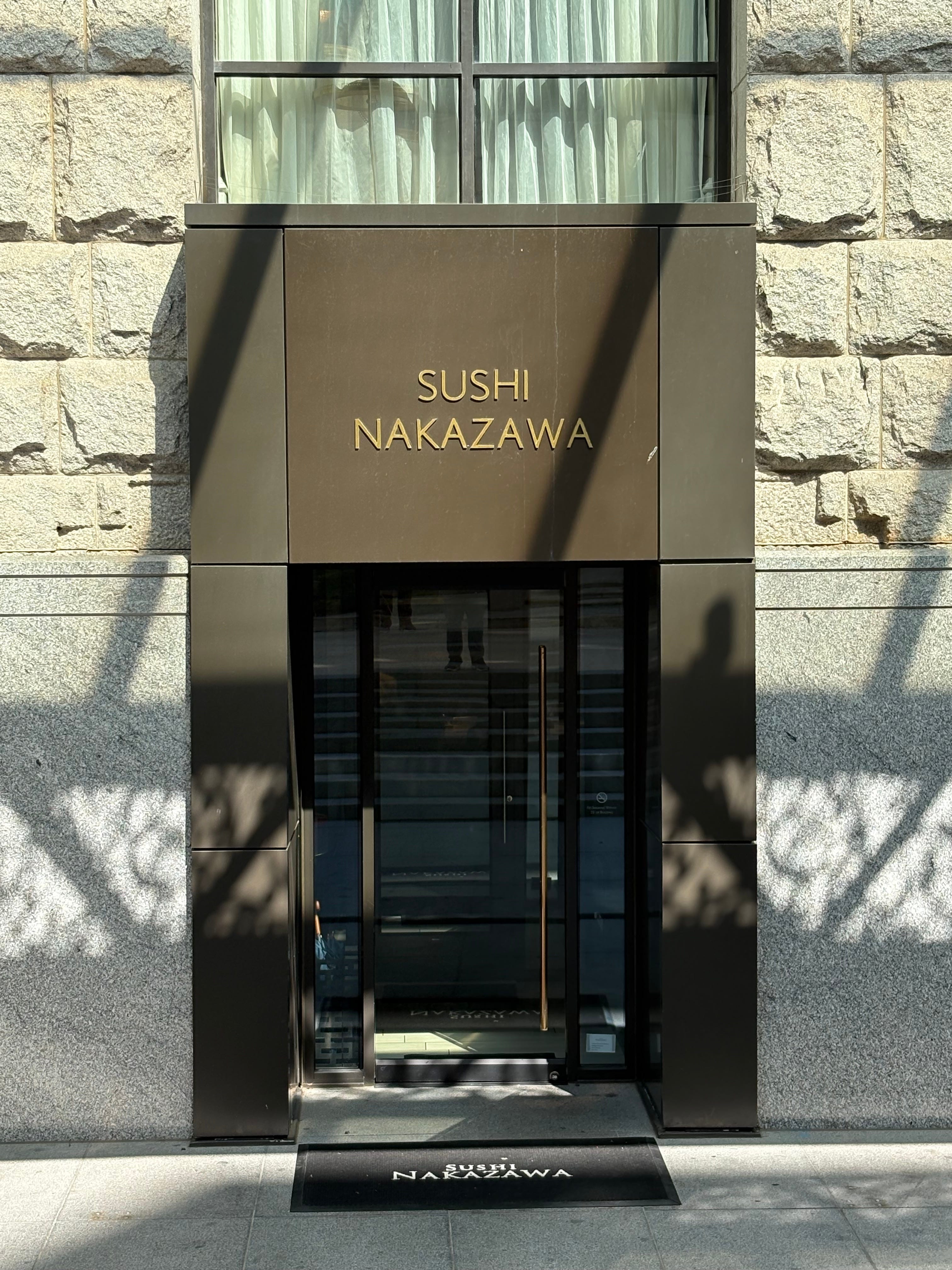
Special care is taken to ensure the guests at Sushi Nakazawa realize before arrival that while the restaurant inhabits the same building as the Waldorf Astoria, it is not located inside of the hotel. For any future visitors, note that the entrance to the restaurant is on the southern exterior of the building. Or you can do what I did the first time and just walk around the whole thing until you strike gold.
Both times I’ve been to Sushi Nakazawa has been at lunchtime. As far as I can tell the lunch omakase is the exact same as the dinner omakase. There is a super omakase option that is only offered at dinner but for all intents and purposes we’ll consider that a more expensive and supplementary alternative to the traditional omakase offered at lunch and dinner; at some point I’d like to get back there and try it, but I think the traditional omakase is more than enough to experience what Sushi Nakazawa has to offer.
Note to the reader: Well, my future self did just that. Click here to jump down to that part of the review if interested.
However, at lunch the only option is to sit at the sushi counter. Do not be fooled, this is the only option you should consider for dinner as well. Sitting in the dining room is about $30 cheaper, but it’s just not the same. The price of admission is not just for the food but to be able to witness the mastery of the chef putting together each bite of nigiri.
Plus, in the dining room, I’ve gathered they present the sushi in flights—three or four bites at a time. The problem with that is that time is of the essence when handling sushi of this caliber. The temperature of the rice and of the fish are kept at just the right balance, so the expectation is that you’ll be eating each piece of nigiri as soon as it’s placed on your plate (though of course Instagram eats first for most people, so snap your picture quickly and get to eating). I can’t for the life of me figure out how the restaurant sustains that balance for the patrons in the dining room. So, my guess is they simply don’t, and the experience is likely inferior.
All of that to say: I highly recommend paying the extra money for the sushi counter experience. It’s worth it.
The interior of the restaurant features a lot of contrasting whites and blacks. Black furniture. Black walls. White countertops at the sushi counter. It’s sharp and meaningful. It impresses meticulousness. Tonally it sets the mood for what’s to come. And it draws the attention directly to the star of the show: the precise techniques on display behind the counter.
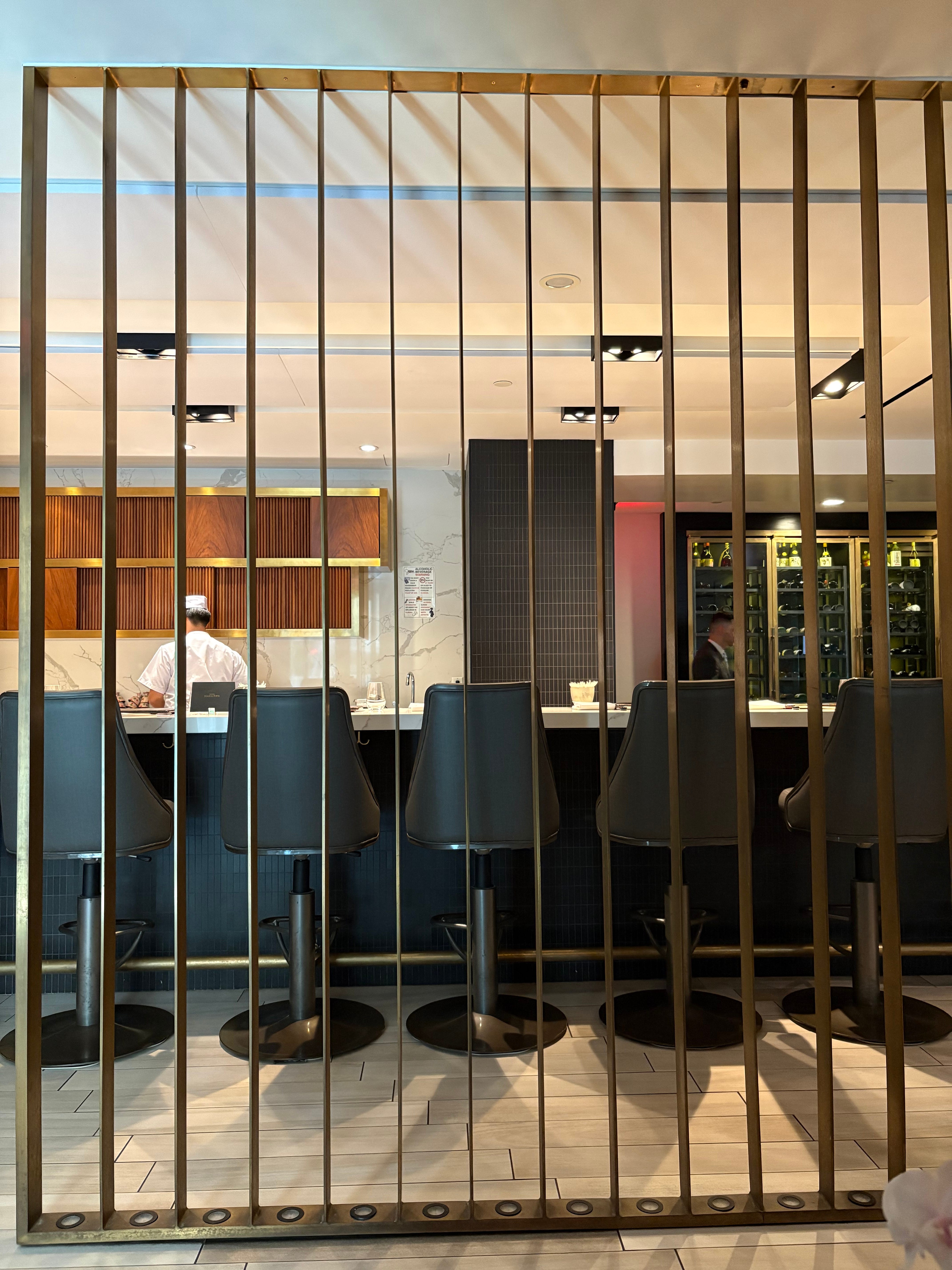
Before we hop into the meal, I will remark that the wait staff/sommeliers at Sushi Nakazawa are always excellent. They are attentive when they need to be and disappear when they don’t. They anticipate the rhythm of the meal set by the chef and offer commentary to color the experience.
This only being my second time at Sushi Nakazawa (roughly a year apart between visits), I was surprised to pick up a whiff of familiarity with my having already been there before on the part of the staff. I could have imagined that though in a vain attempt to convince myself I matter more than I do, but I think more than likely they just have a report on Resy that can show them when a guest has booked there more than once. Even still, that was a nice touch to singularly be welcomed back.
I have not indulged in any alcoholic beverages in either instance that I’ve been there, but eavesdropping on conversations with other guests, it’s evident they know their stuff. And they were more than happy to play the role of shepherd for those with less familiarity with different types of sake. In short, the staff at Sushi Nakazawa is excellent!
Come hungry and full of wonder because at twenty-one courses it truly is an adventure. I’m going to choose to save the readership from me explaining every course (plus two supplements) and instead highlight a few standouts and the general flow of the meal.
First and foremost, at the top of the meal we were presented with the option of adding a few supplemental courses throughout (at a cost of course). This go around, I added a caviar and tuna belly monaka, as well as an A5 Miyazaki wagyu nigiri.
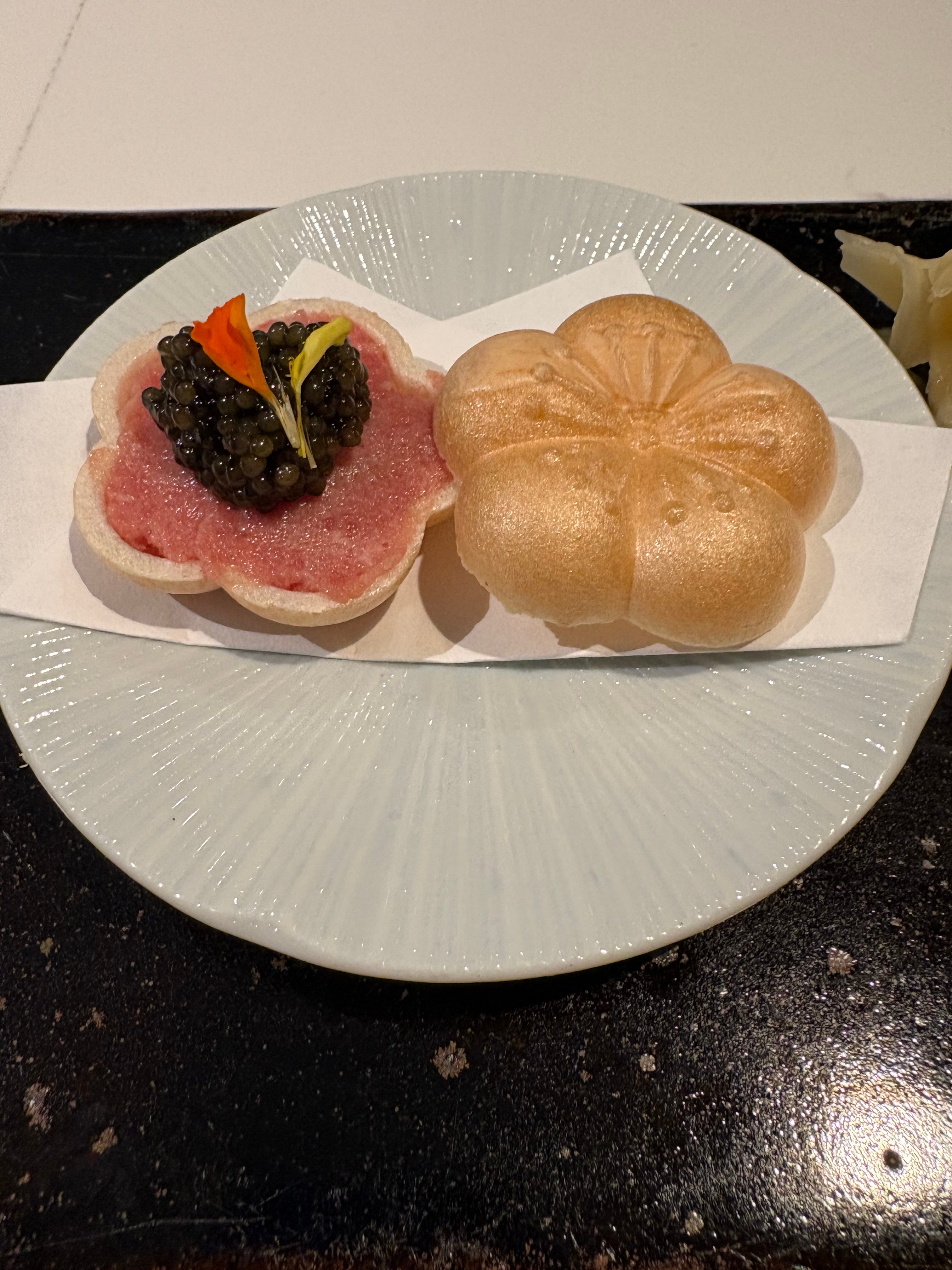
The monaka came first in the meal. A delicate rice wafer filled with cubed tuna belly and topped with a dollop of fresh caviar is presented. The guest is then encouraged to stack the other side of the wafer on top to create a sandwich of sorts. Its crunchy and smooth and buttery. The wafer contrasts beautifully with the creamy brininess of the caviar. And it all melts away in your mouth. I savored every bite, because I never wanted it to end. It was an incredible way to start the meal.
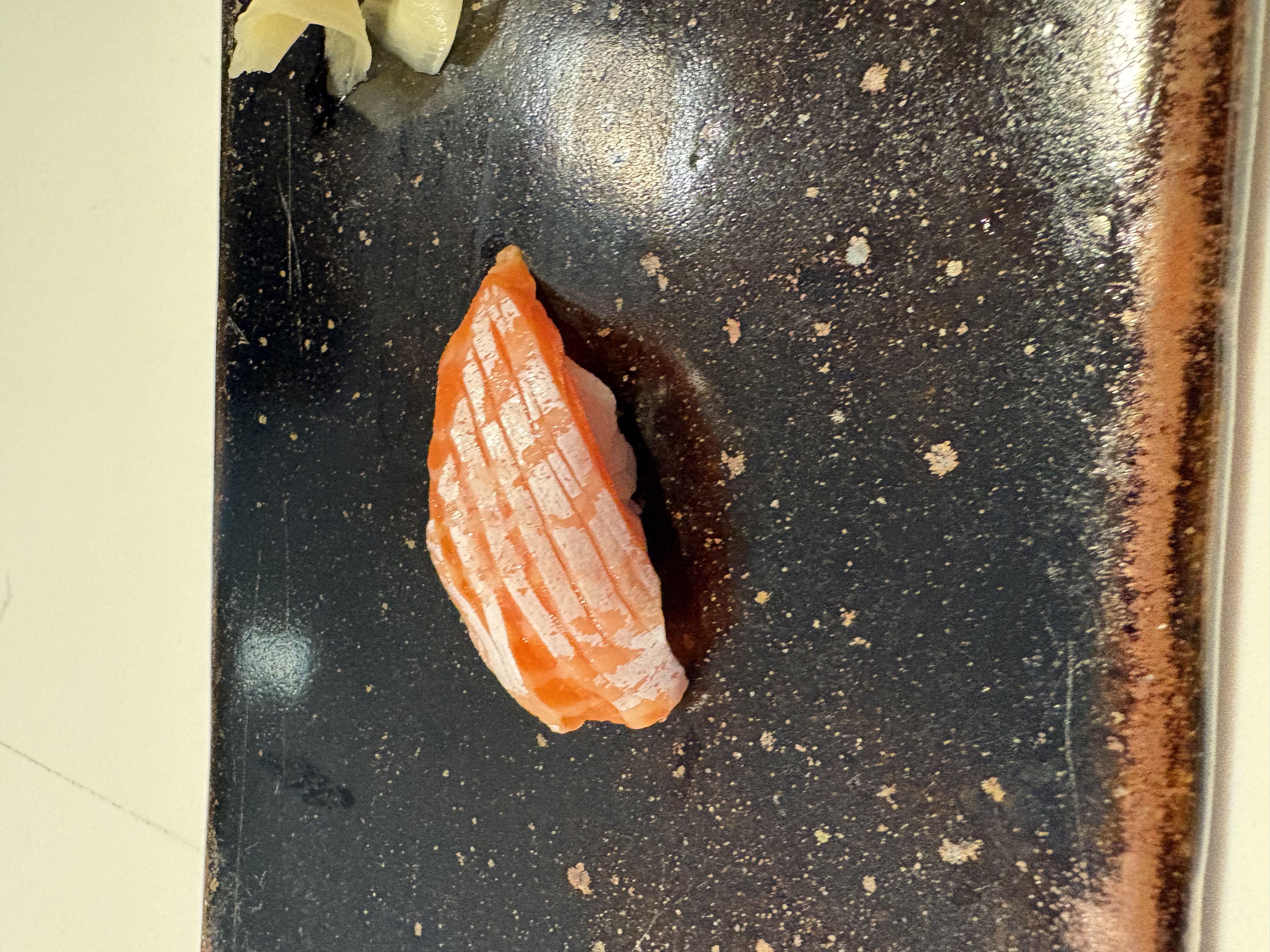
The non-supplemental part of the meal starts with a few courses of trout and king salmon. The smokiness of the trout coupled with an aromatic king salmon offer a light introductory packaging that isn’t too intense on the palate.
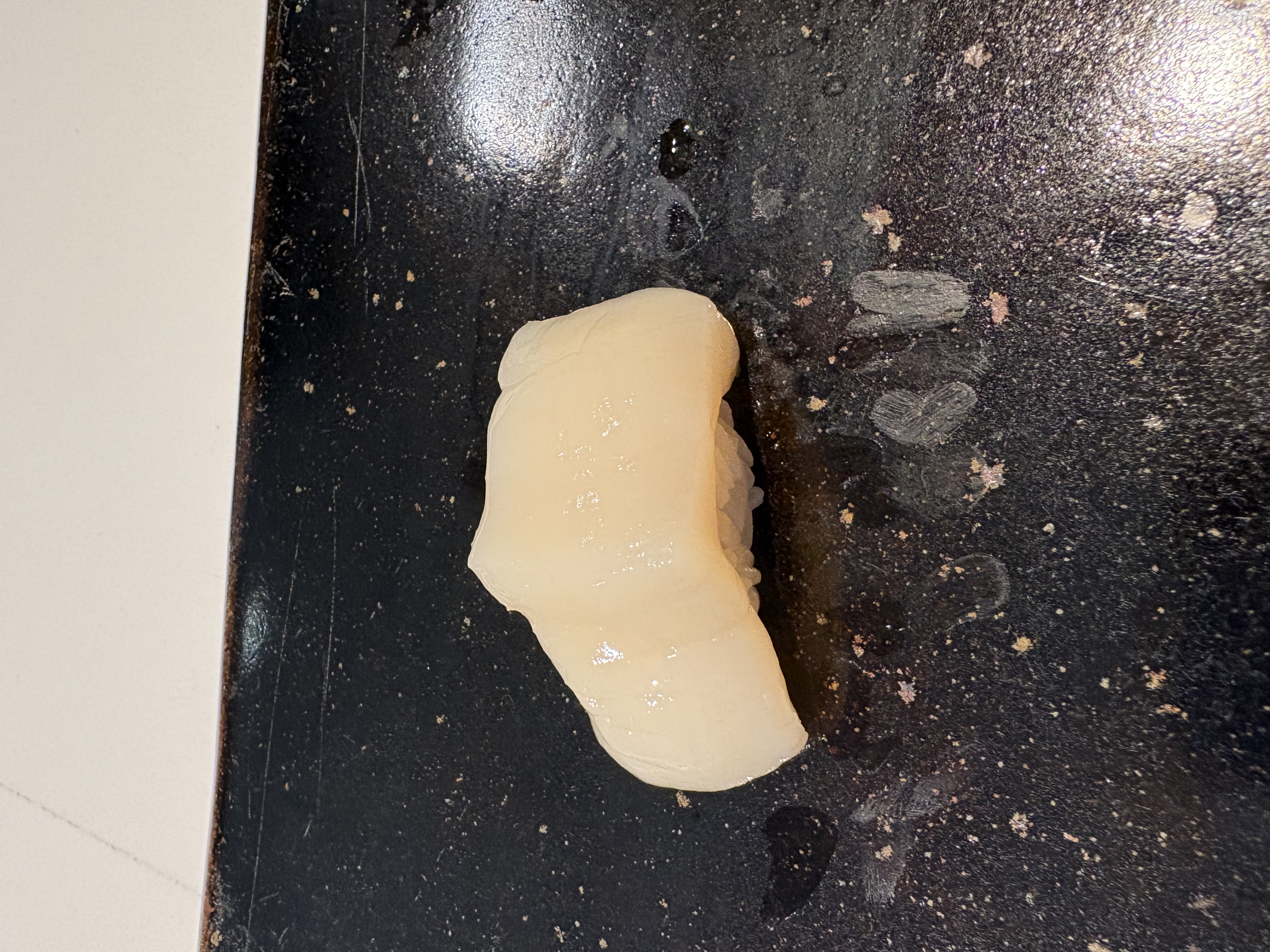
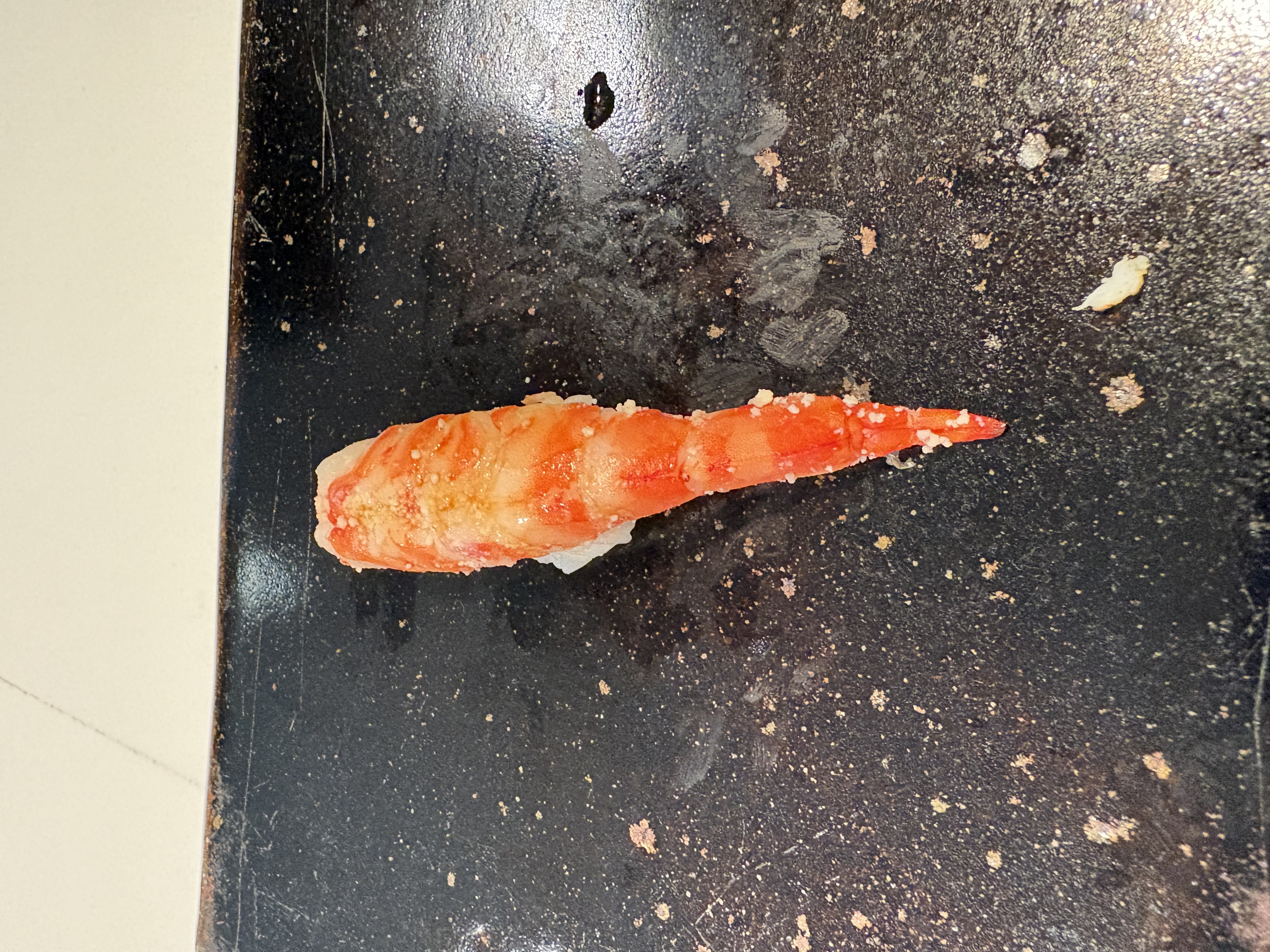
Next up are some more technical fares: scallops, shrimp, and squid. This is the part of the omakase where the chef could show off their mastery. Fine, precise cuts. Swift, fluid motions. It’s entrancing to watch as he flips the fish over and about, squeezing and pressing, and applying light brushes of soy sauce or a slight drag of wasabi. No motion goes wasted from the moment he picks up the rice from the moment the piece is placed on your plate. It’s insane to watch and you’re rewarded by seafood that tastes so fresh and well-prepared. The rice is slightly warm and acidic from the vinegar. Its firm without being globby. And yet you can sense every grain of rice as you pick it up off the plate.
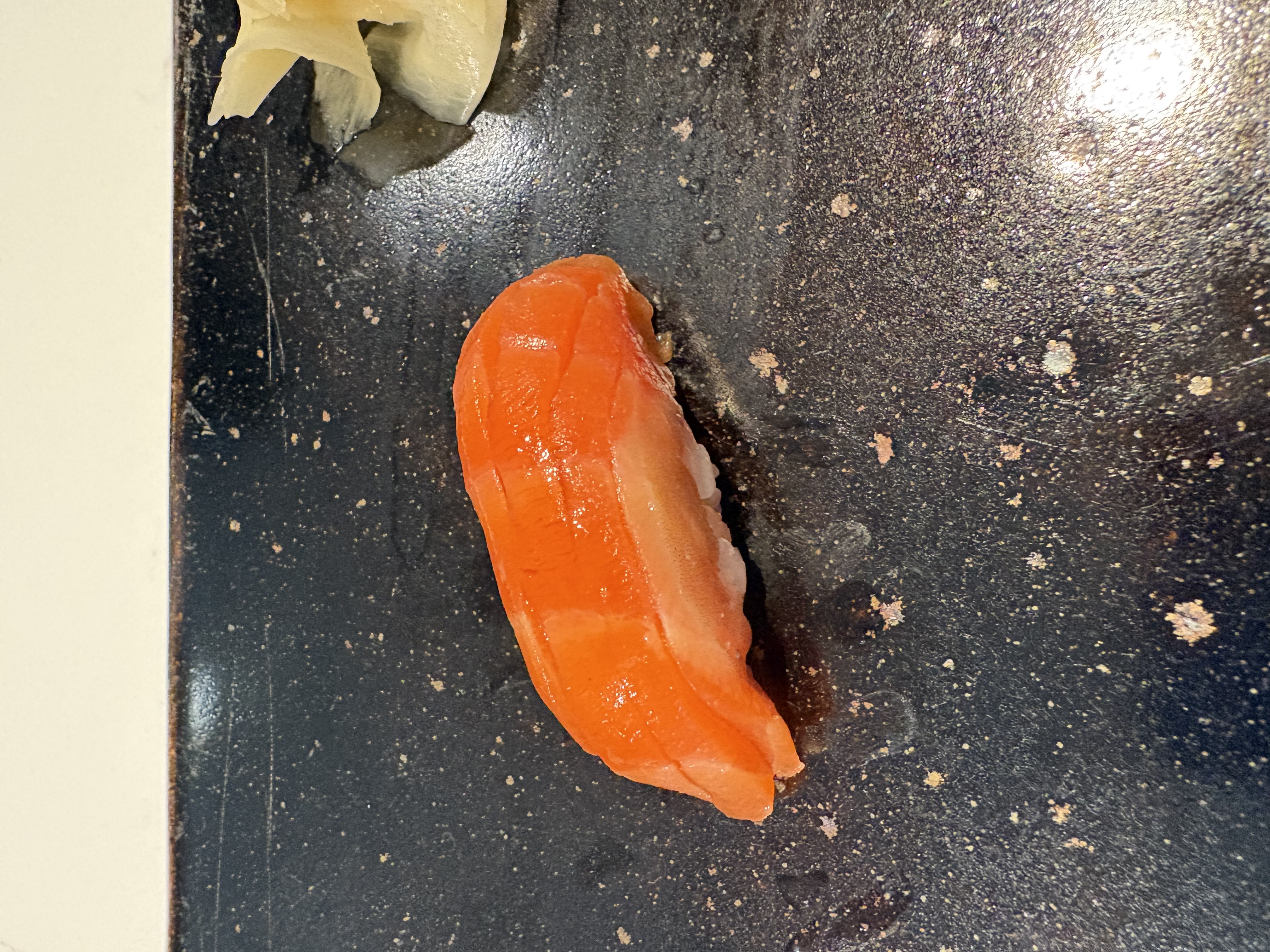
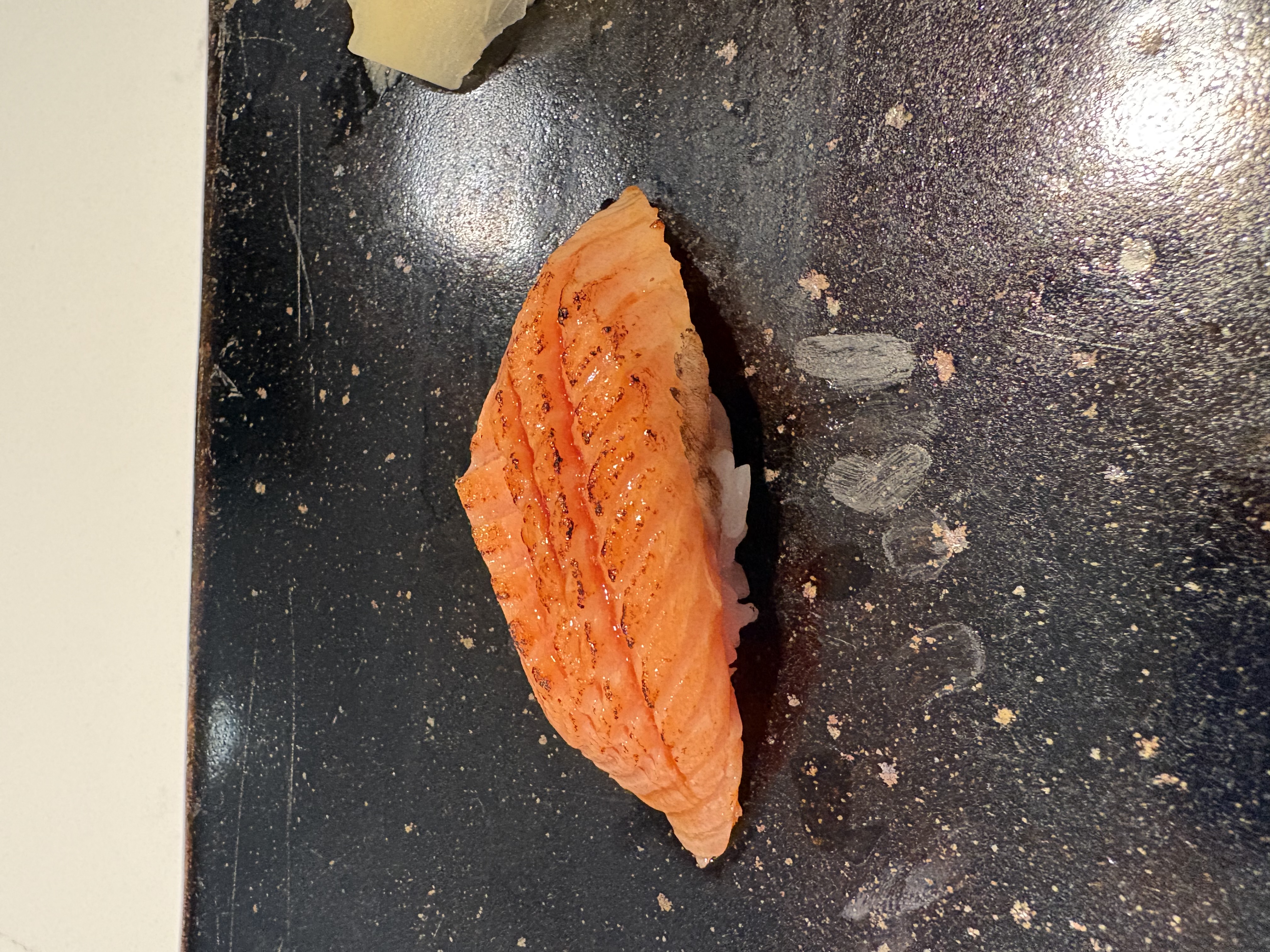
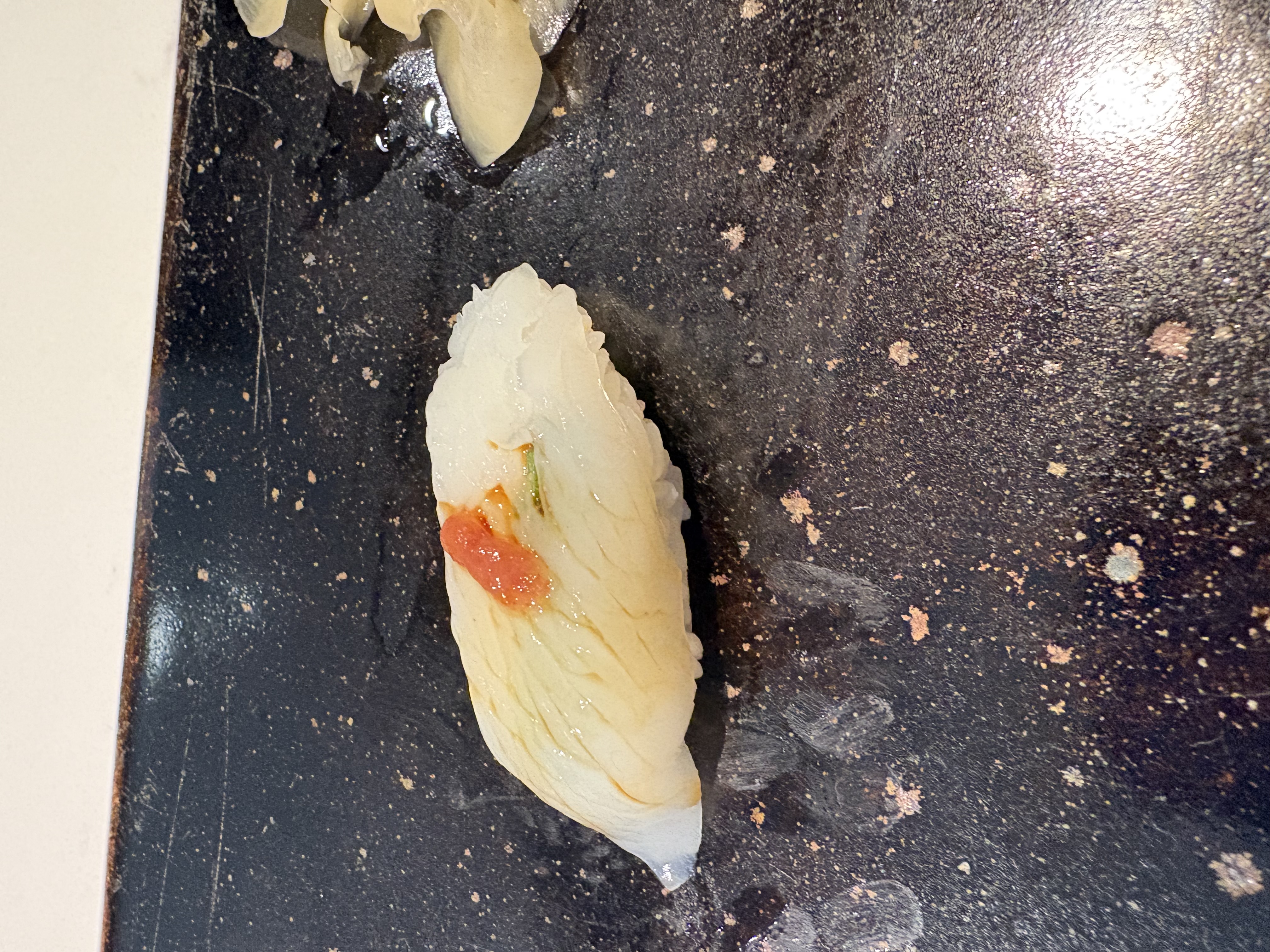
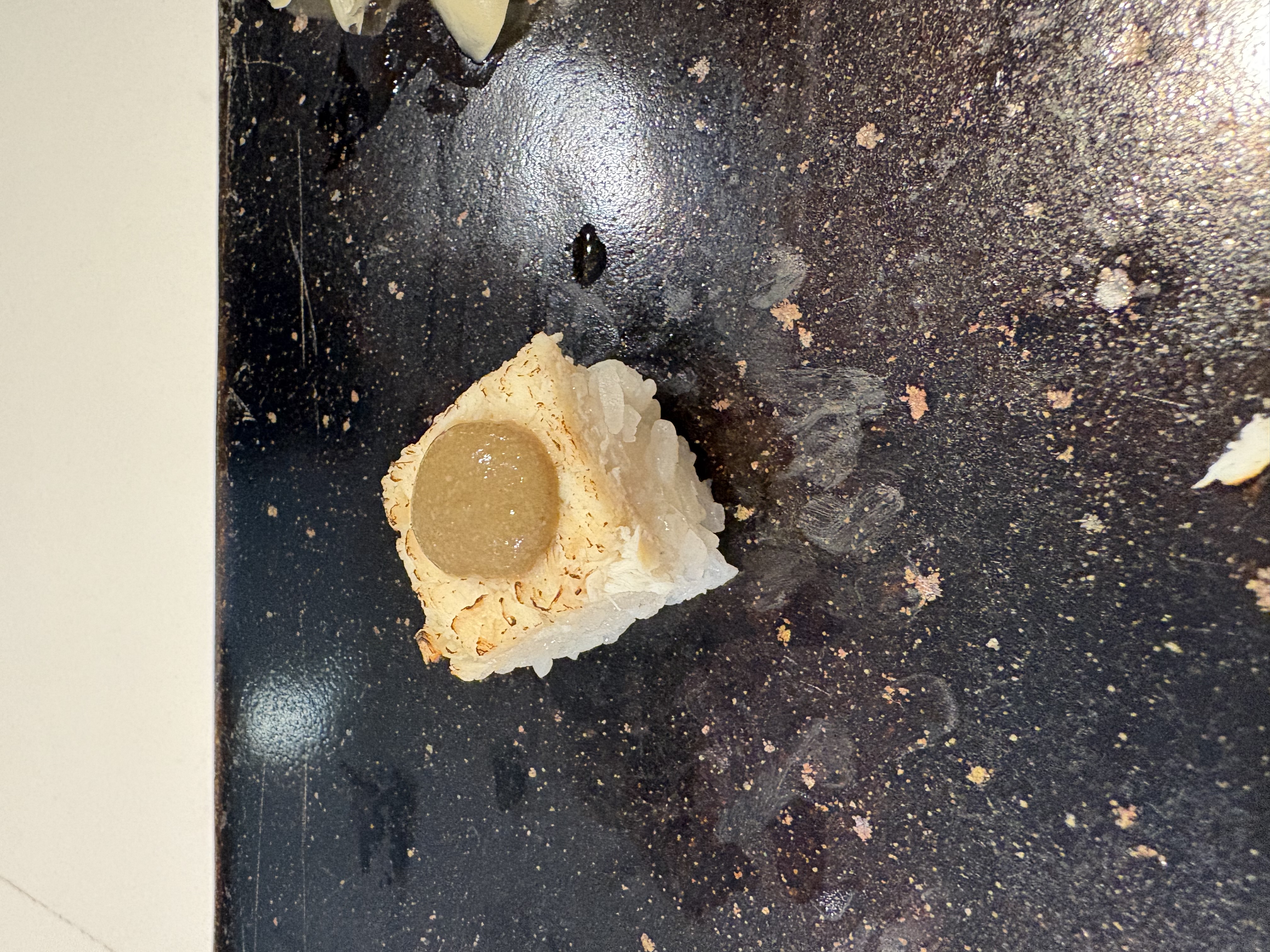
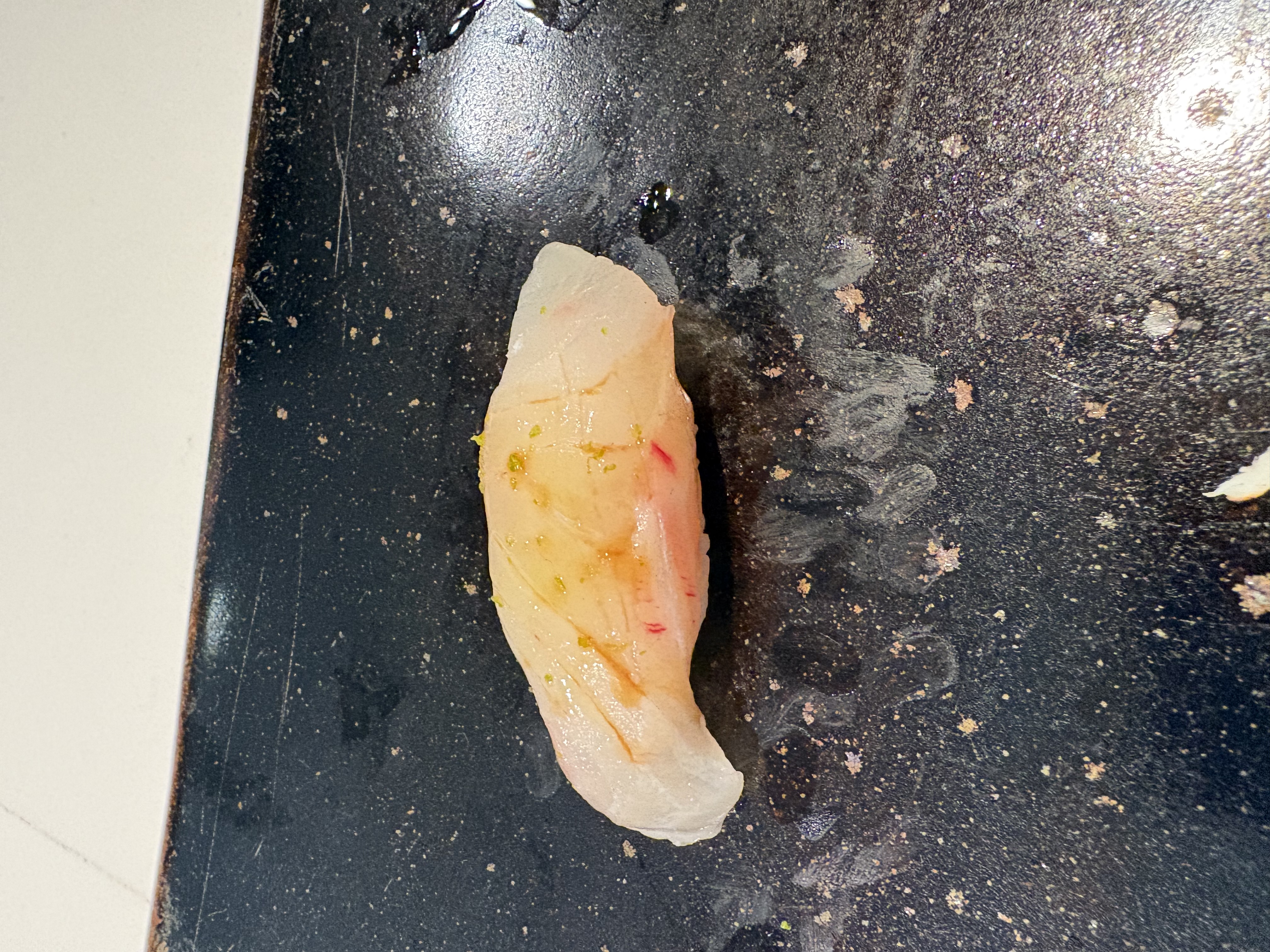
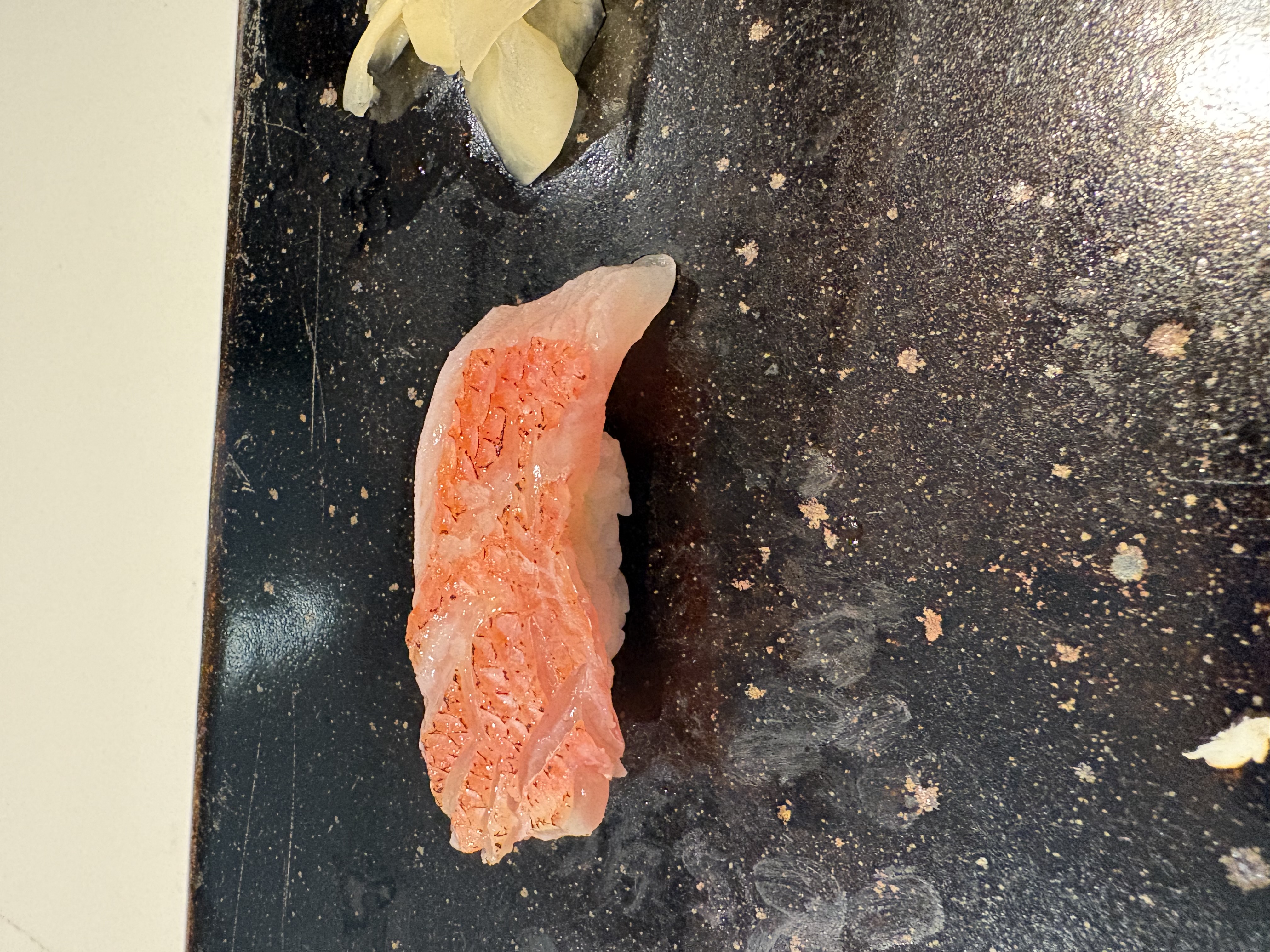
The next section of the meal are more traditional Edomae preparations with a series of various fish: knifejaw, golden eye snapper, striped jack, and skipjack to name a few. This is the rising action of the omakase experience. Flavors are stacked. The diner is falling into the rhythm of the chef, awaiting and anticipating every next move. This part of the meal always feels braggadocious. Almost like “You’ve seen me prepare the more familiar fishes, now watch me flex with all of these other flavors”. But really it serves as the opening act to the grand crescendo: the tuna flight.
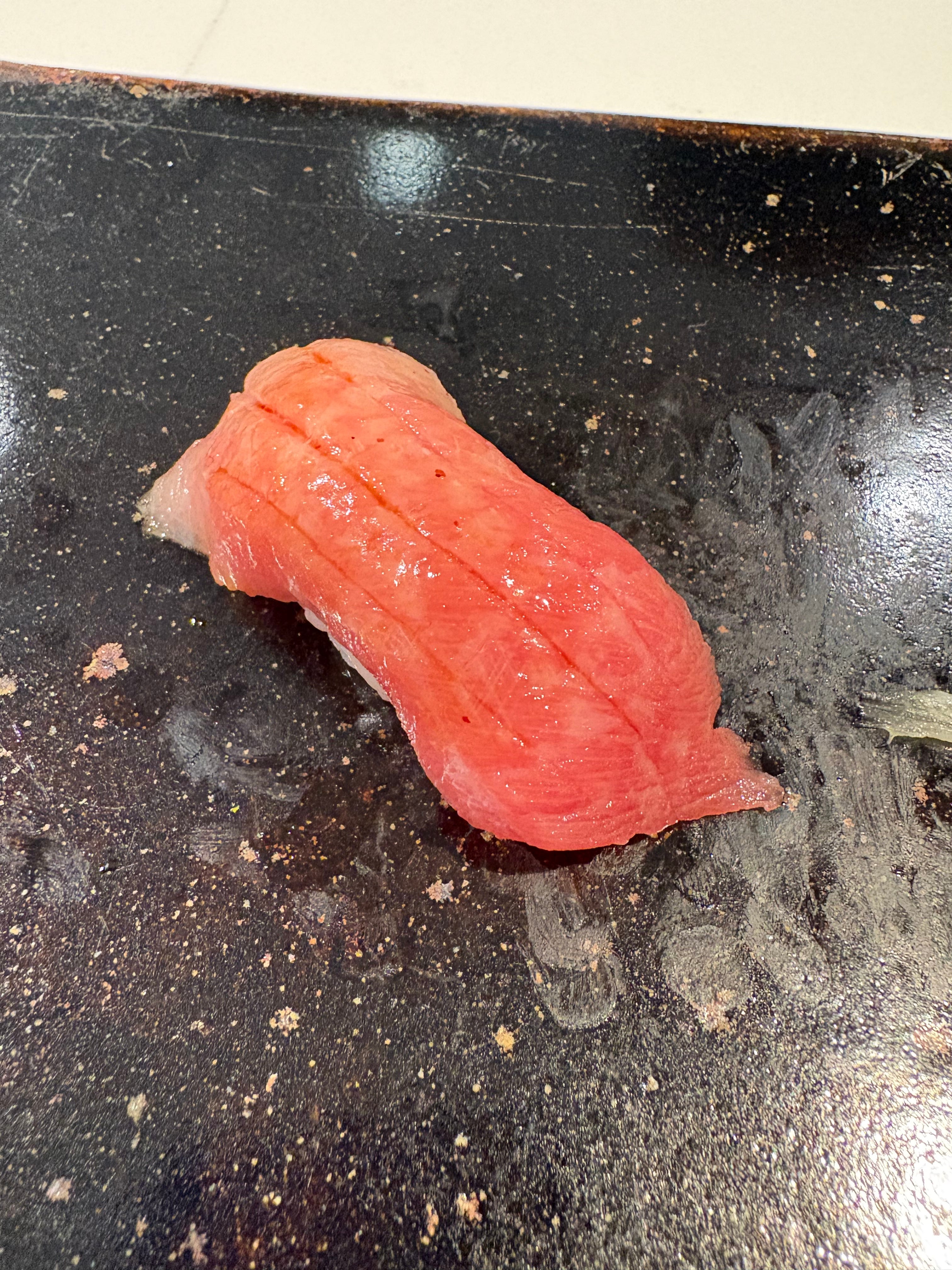
This is where the meal truly shines. Four pieces of nigiri in quick succession that all come from the bluefin tuna. And they increase in fattiness along the way: akami (lean tuna), zuke akami (marinated lean tuna), chu o-toro (medium fatty tuna), and, of course the most coveted of all, o-toro (fatty tuna).
I am not exaggerating when I say that o-toro might be my single-ingredient favorite bite of food I’ve ever had. The most meaningful (albeit slightly inaccurate) way of describing it is the wagyu of the sea. At this point I think most fine dining afficionados know the buttery melt-in-your-mouth taste of A5 wagyu. This is the closest approximation I’m aware of from the sea.
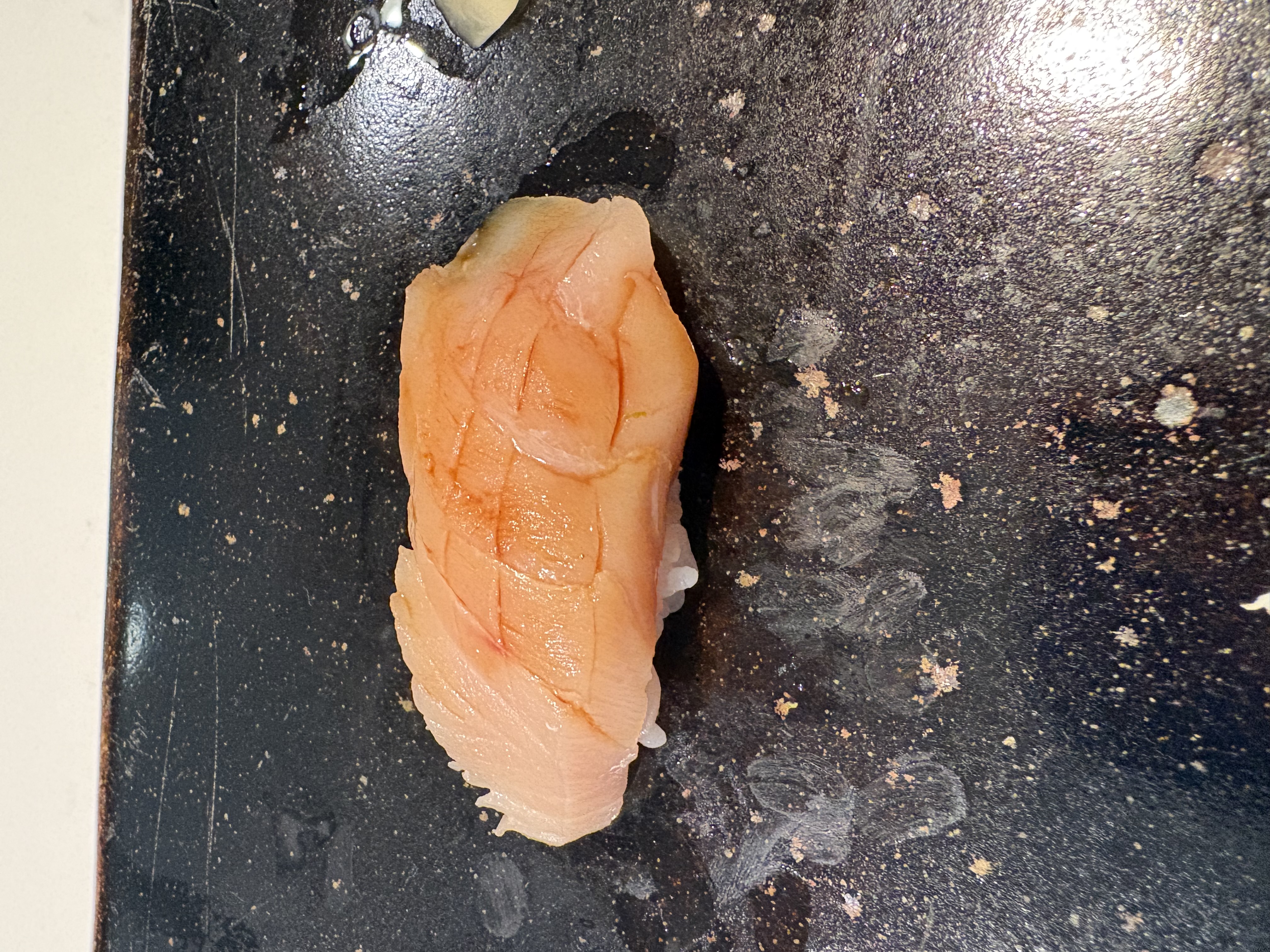
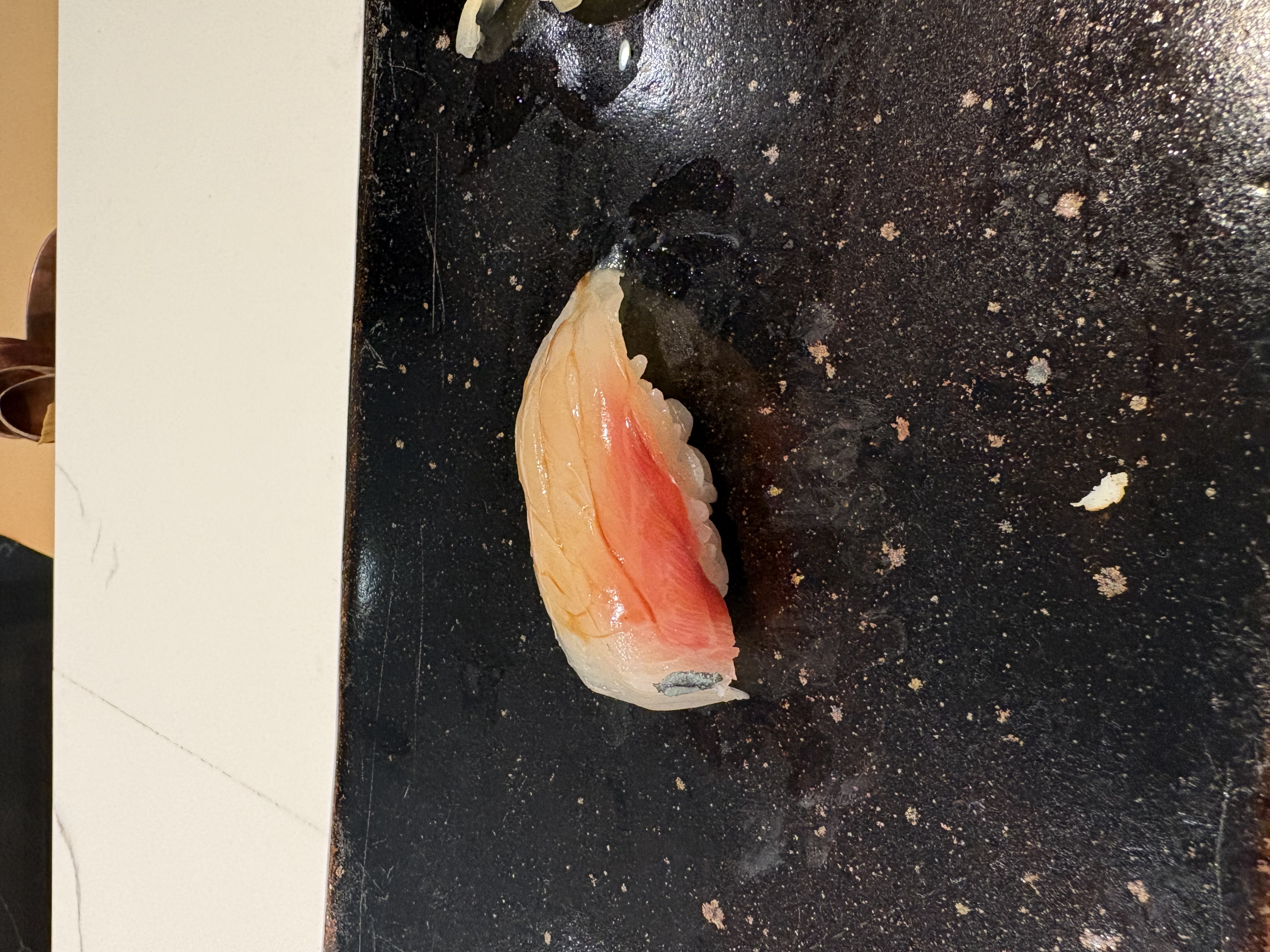
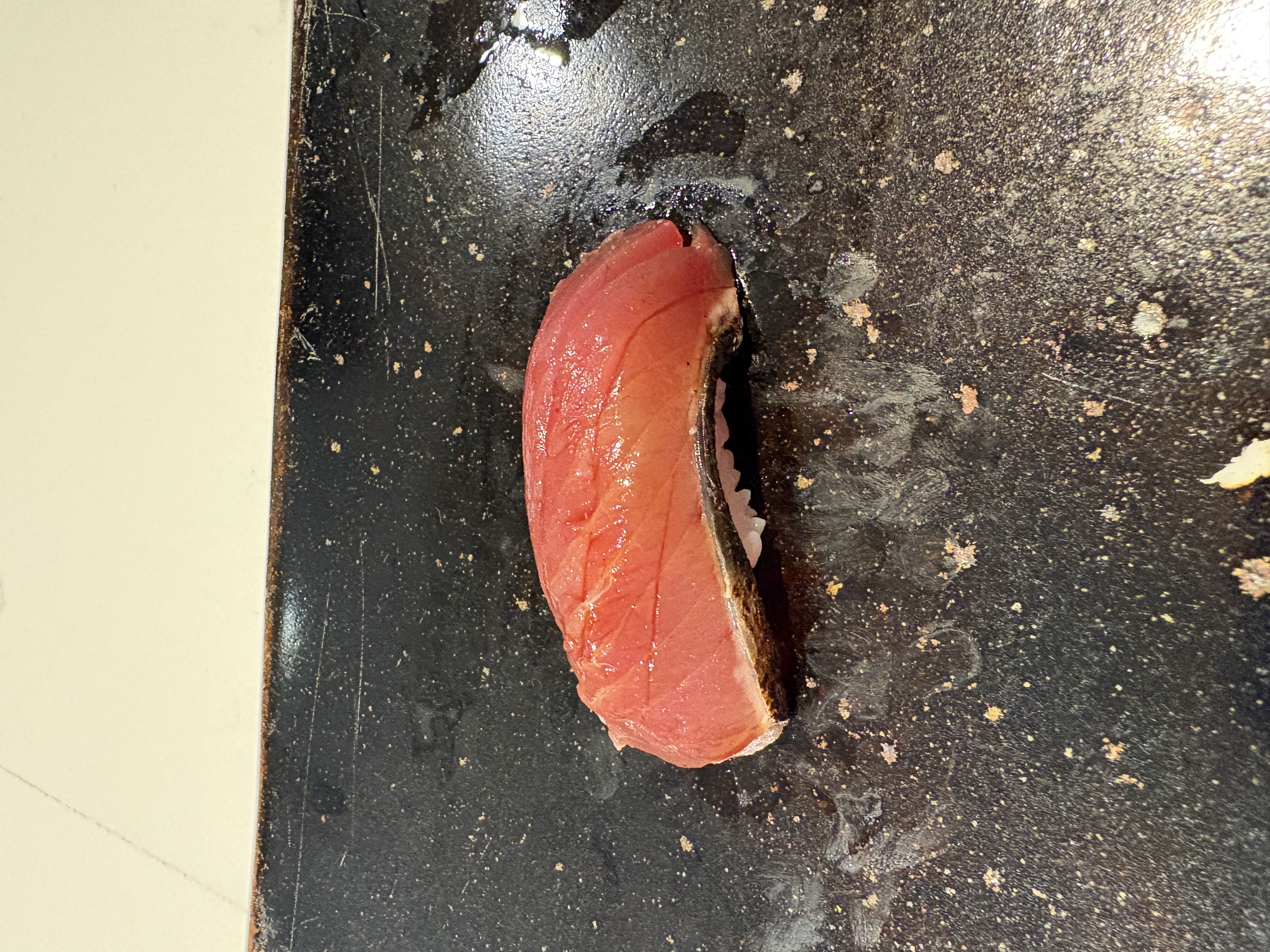
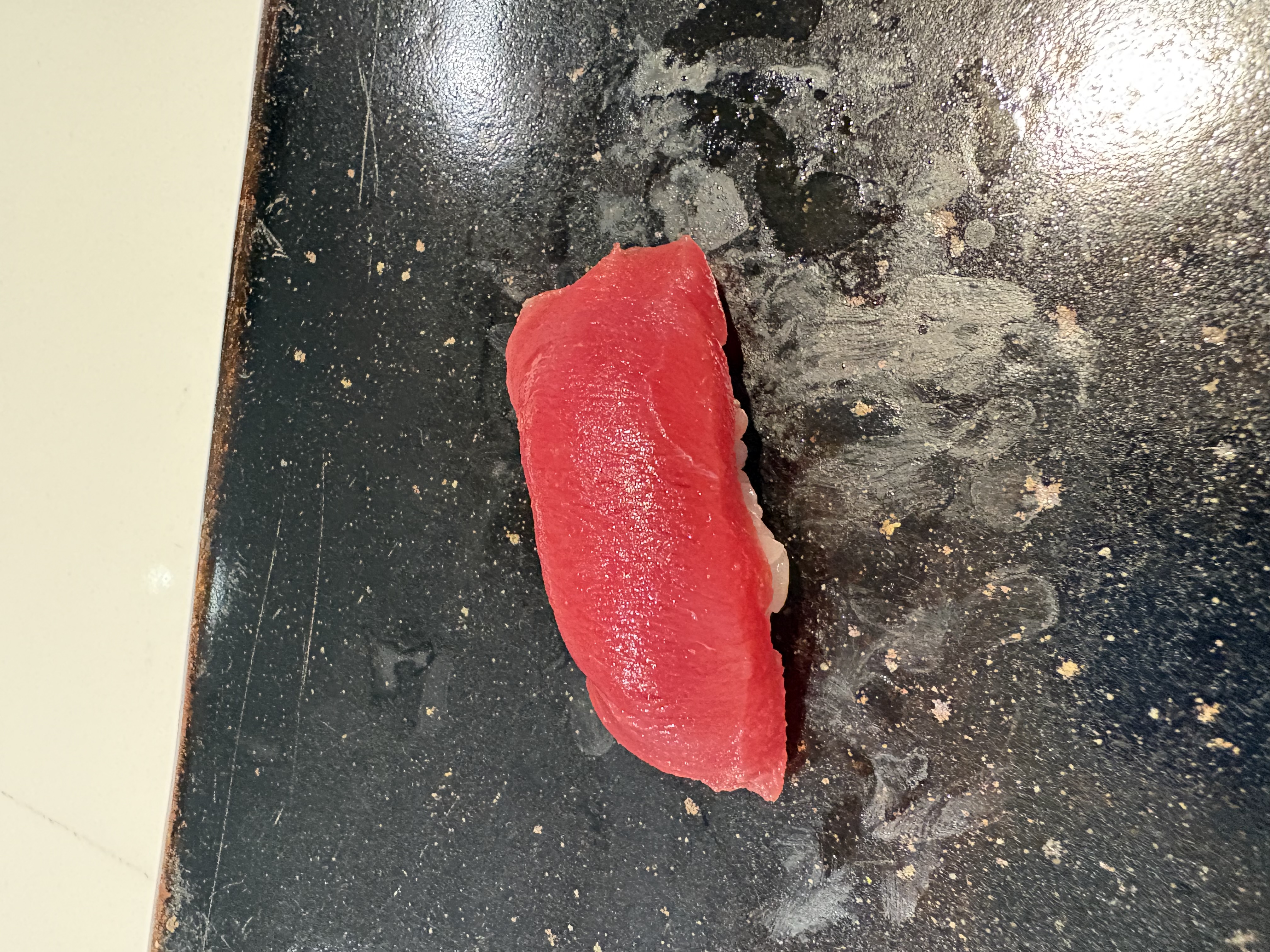
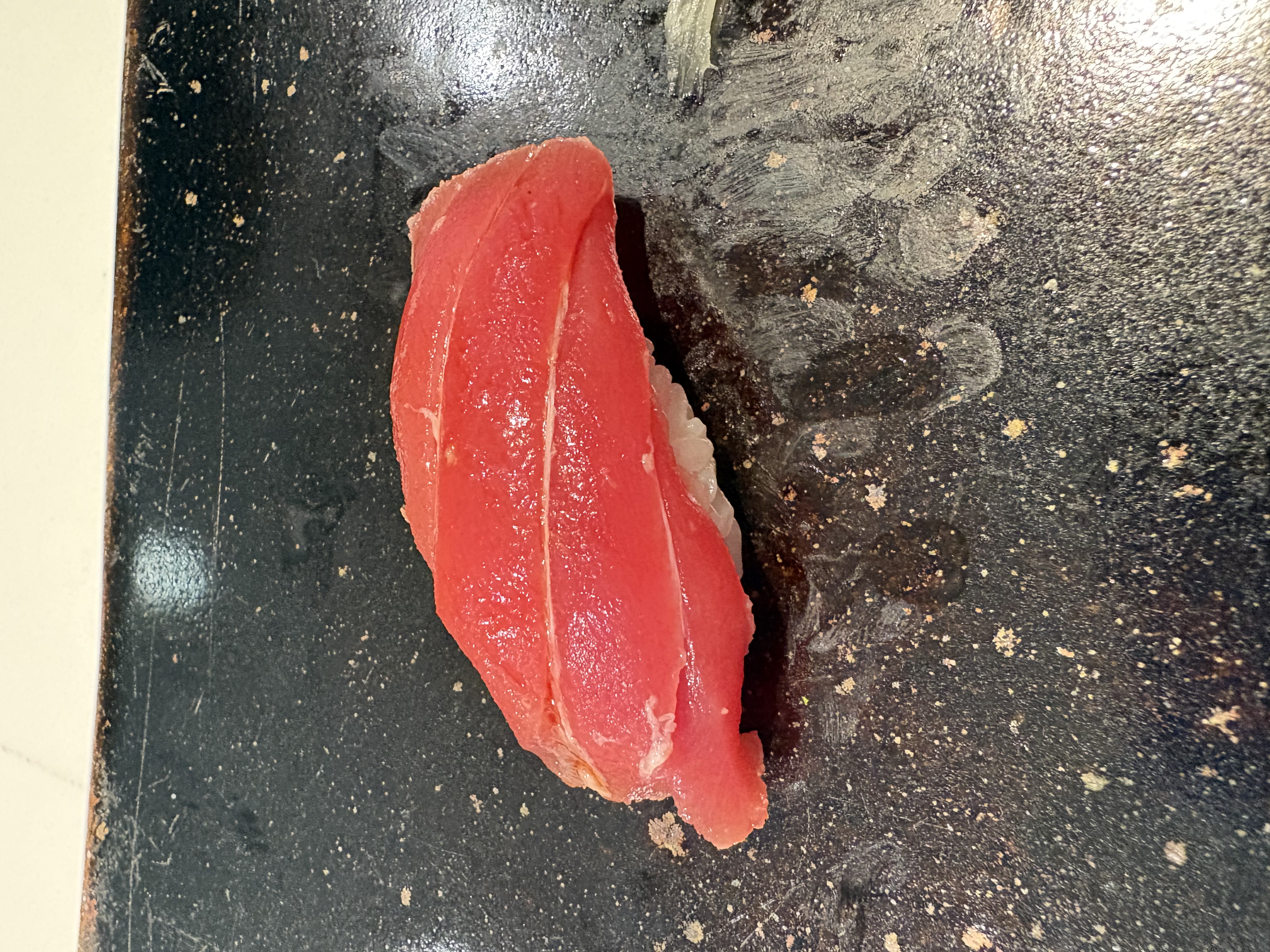
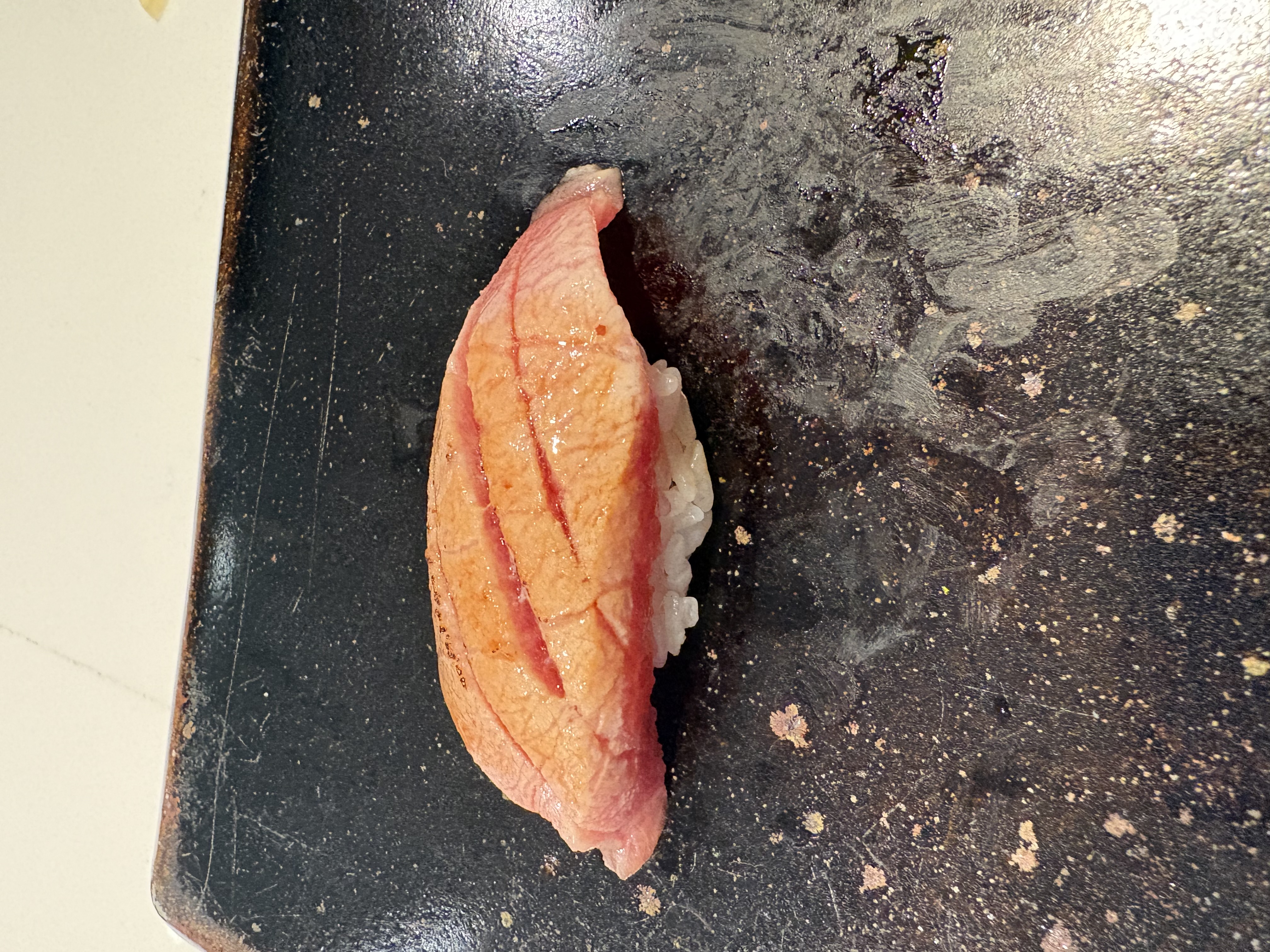
O-toro is a star in its own right, but let’s not downplay the rest of the tuna pieces: on their own they are also knockouts. This is a crescendo for a reason. It stands head and shoulders above the rest of the meal in a way that I don’t think one can truly be prepared for if they’ve never been through an omakase sushi experience like at Sushi Nakazawa.
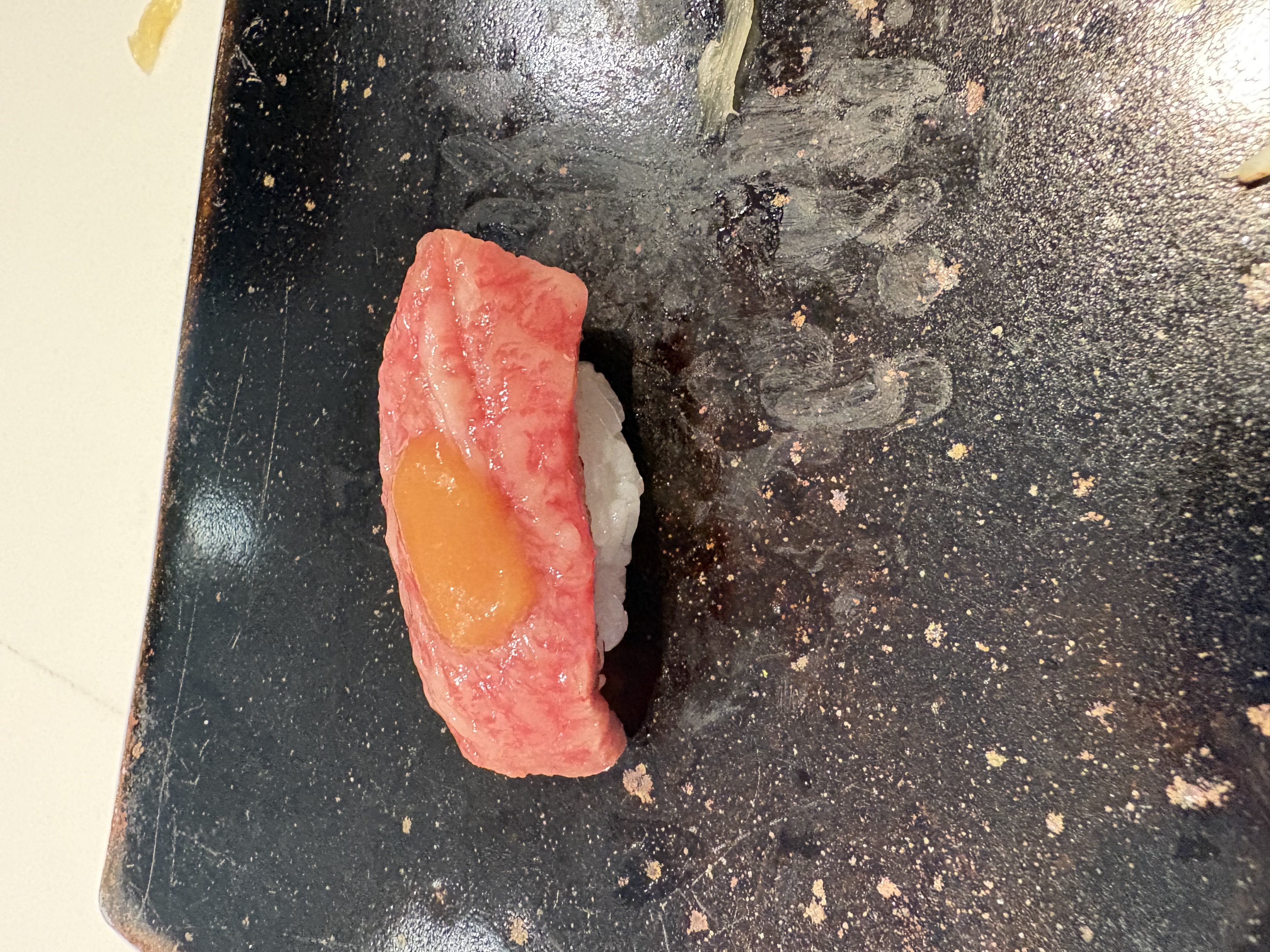
And because I had the foresight to order a supplemental A5 wagyu nigiri, the richness continues. A thin slice of wagyu is placed atop a bed of sushi rice and blowtorched. The fat melts to the surface and runs down the sides of the beef. The rich, unctuousness of the wagyu is a perfect continuation from the fattiness of the tuna flight.
After this insane flight of fancy comes the denouement of the meal: the comedown. Not to say that these pieces don’t pack a punch either. A fatty tuna handroll with auction grade seaweed paper (Yes, even the seaweed paper at Sushi Nakazawa is top notch; every stop is pulled to make it a truly incredible experience), uni (sea urchin—a delicious delicacy in its own right), salmon roe, eel, and last but not least, the tamago. And by this point in the meal, I’m spent.
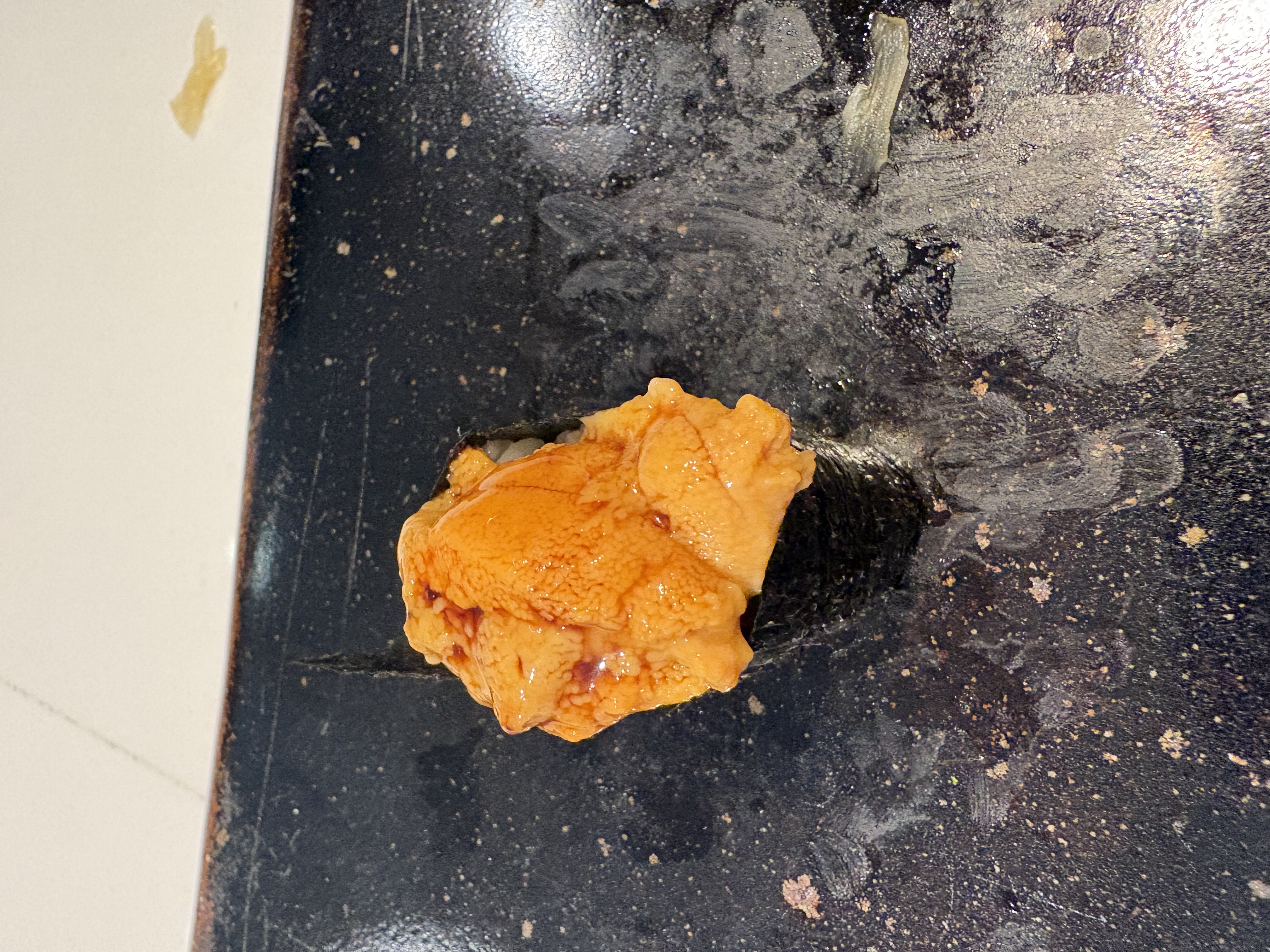
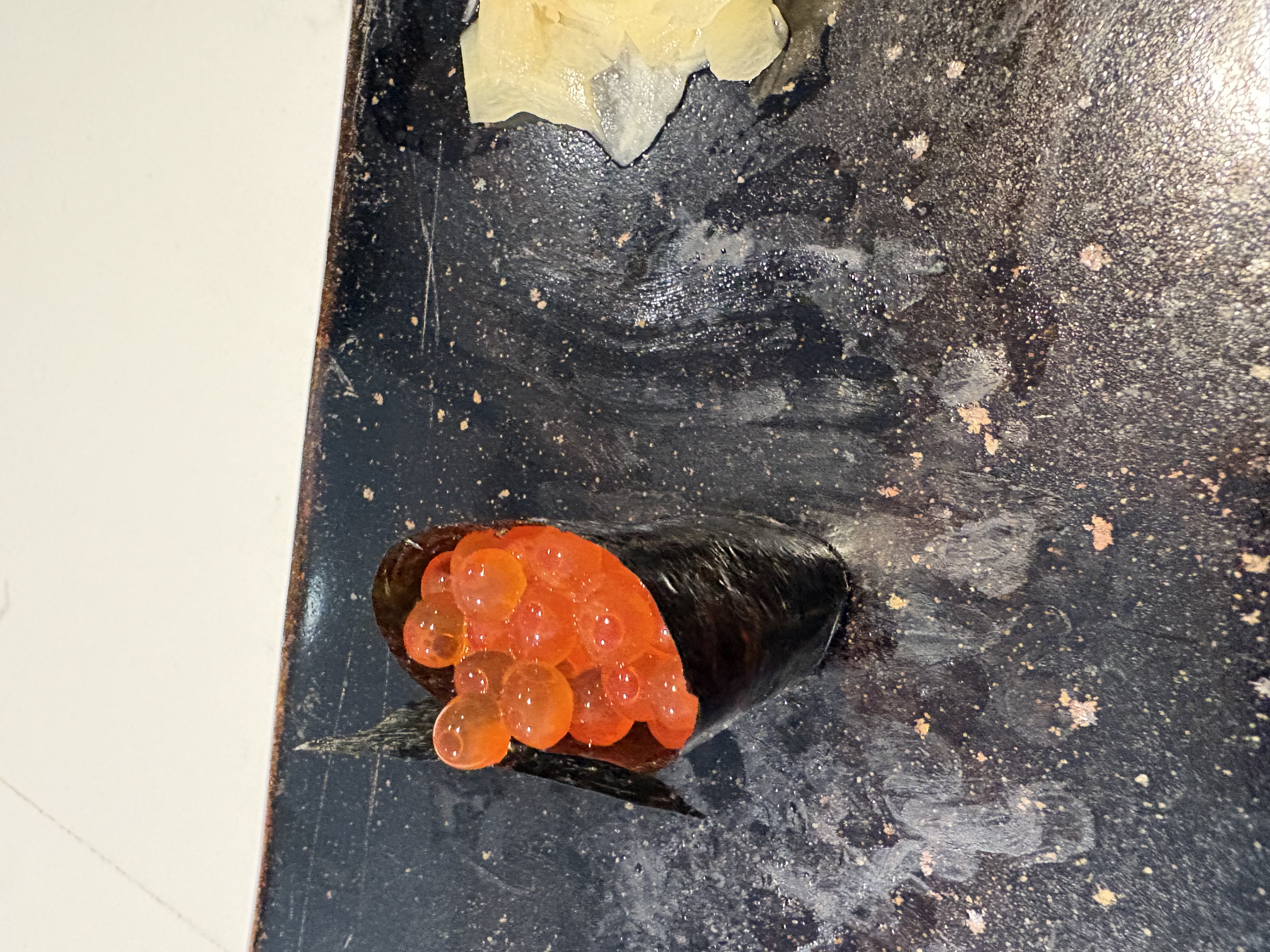
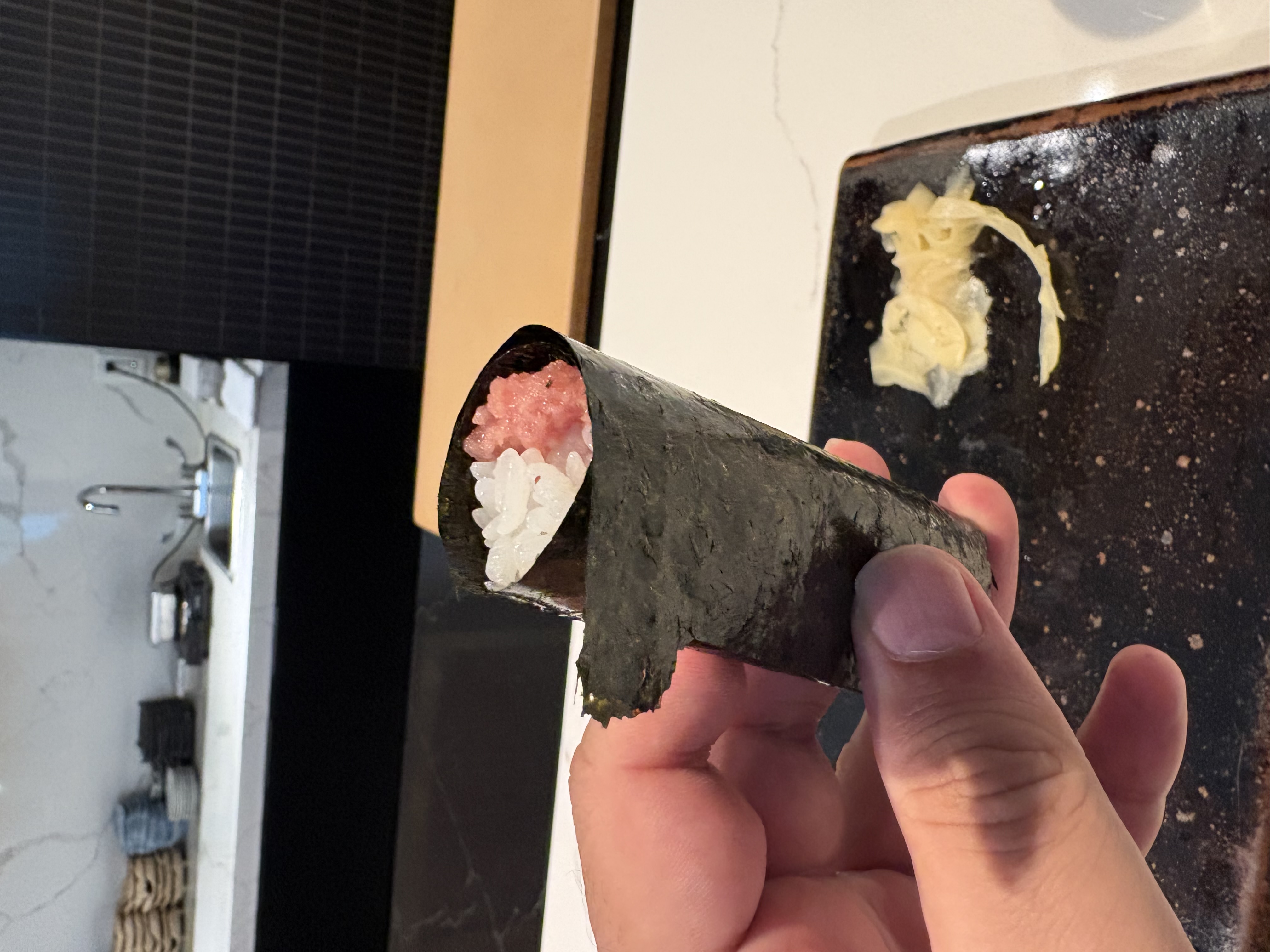
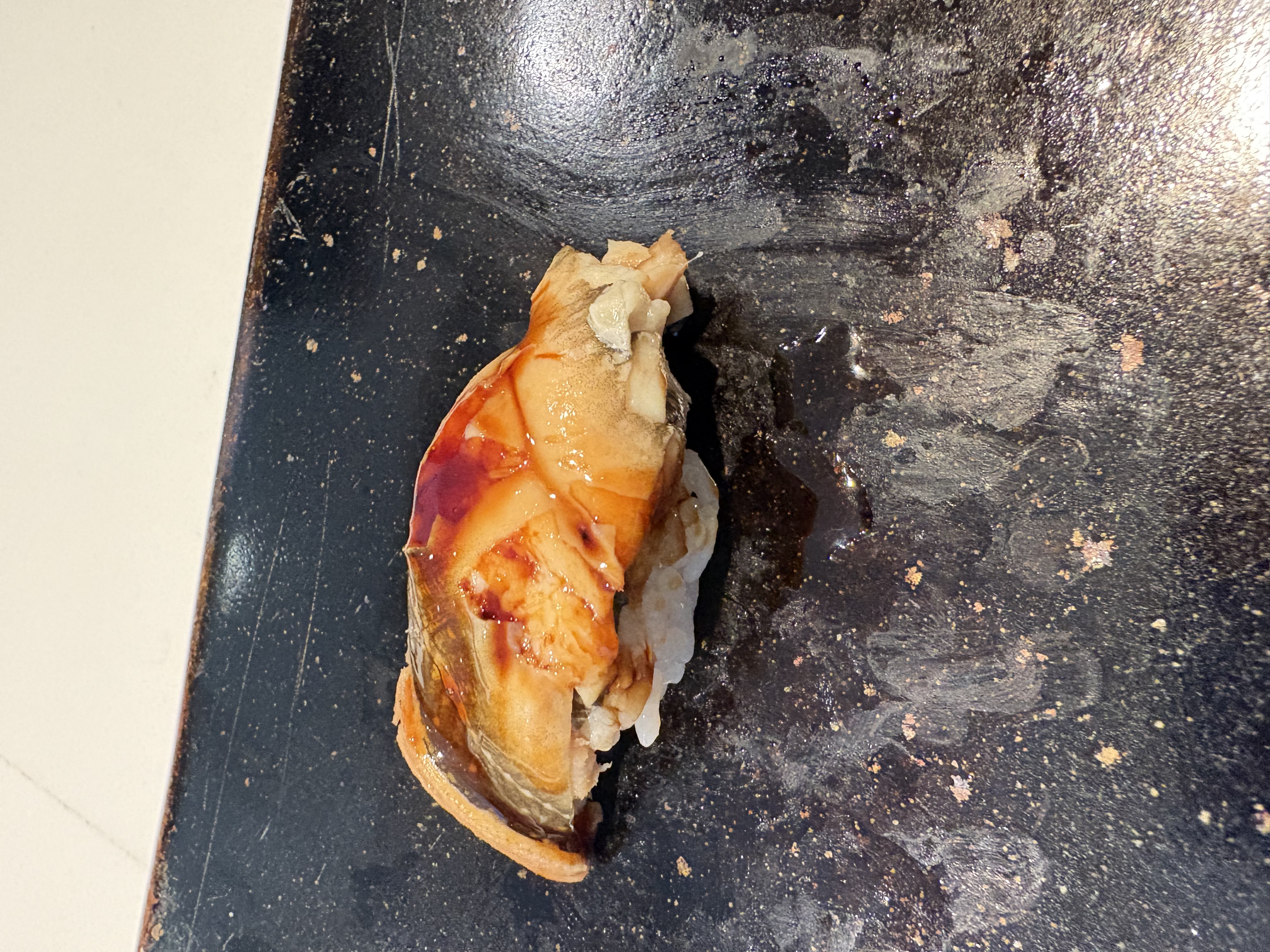
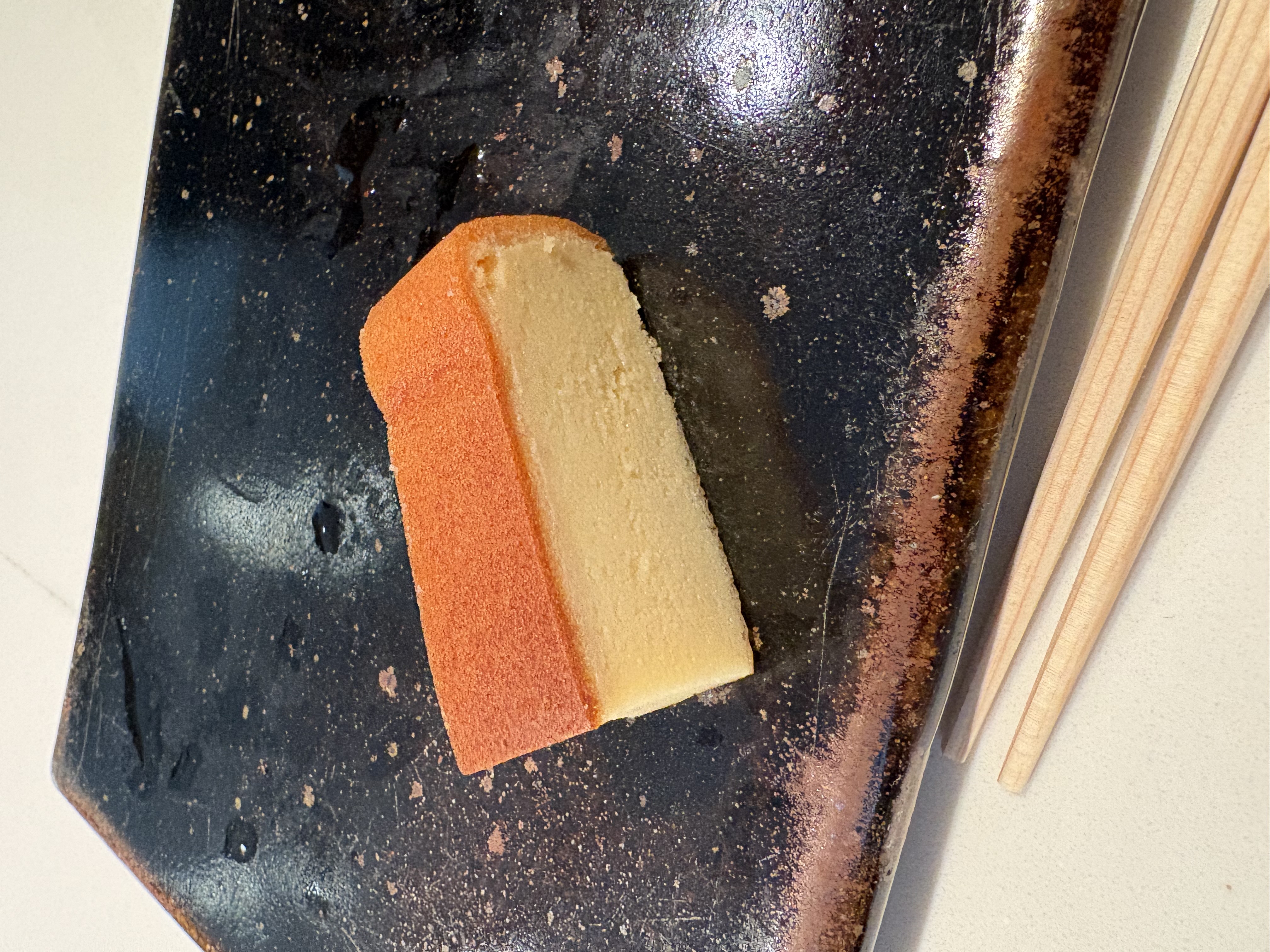
Sushi Nakazawa is a great experience. The only thing I think that holds it back from perfection is it misses the elements of storytelling. Yes, a lot of it ends up on the plate if you know where to look. But I wanted more on the sourcing of the fish, and why they thought it was necessary to include the fishes they did in the order that they did. I think there’s more to uncover there and both times I’ve been I’ve left disappointed in the lack of storytelling.
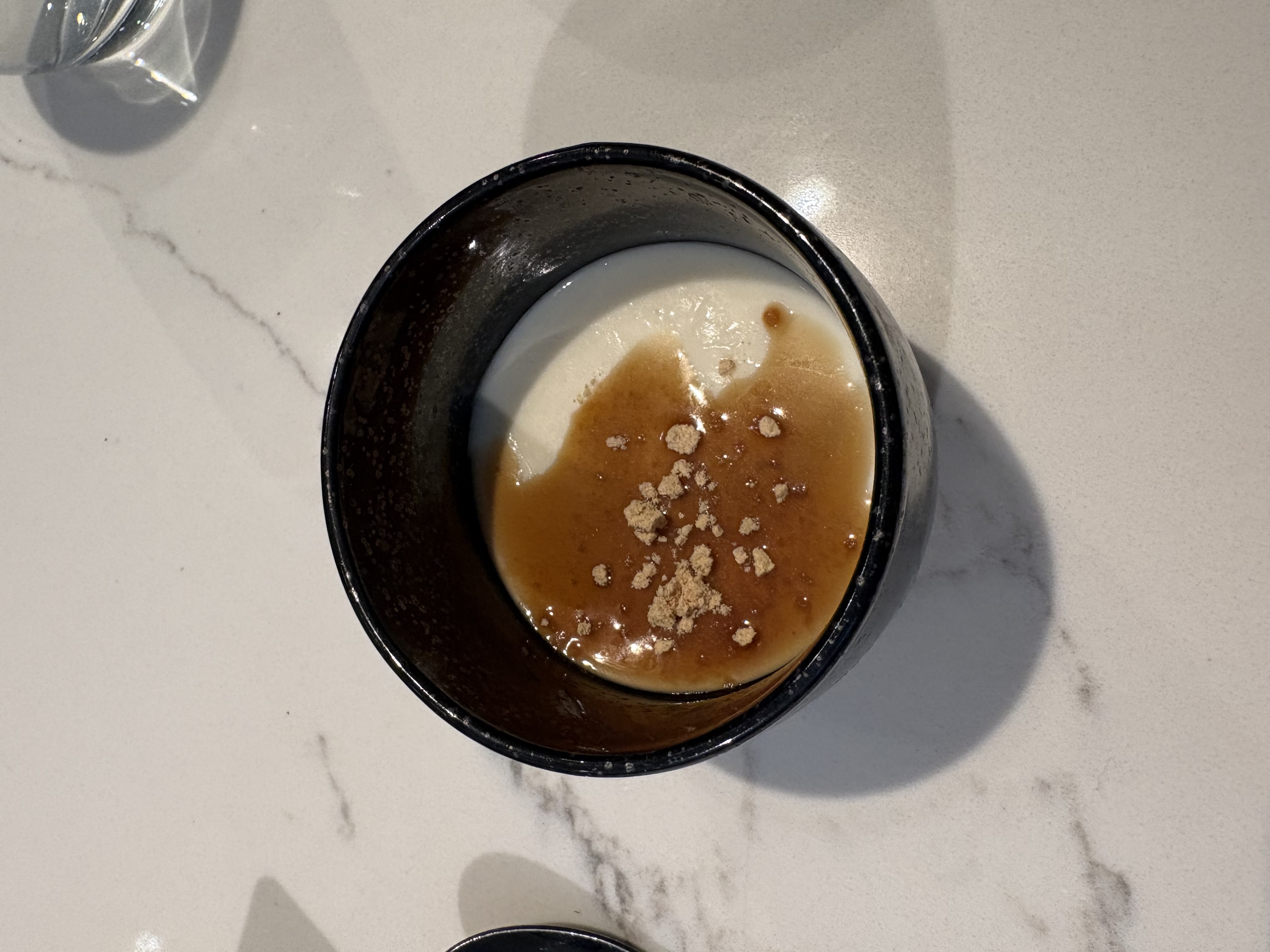
But as a conscious choice to place fish in front of diners, Sushi Nakazawa does a wonderful job. I say its ruined sushi for me, because I’ve struggled to go back home and find anything that remotely comes close. The techniques, the mastery, the care that gets imbued into every piece is outstanding. The collection of ingredients that have been perfected in such a way to bring out the greatest qualities of the fish it supports. Sushi Nakazawa is a testament to the power of craft and accomplishment at the highest level.
Addendum:
Since writing this review, I went back for dinner at Sushi Nakazawa to try their more expensive Super Omakase experience. I wanted to give a few highlights of what sets that meal apart from the traditional omakase experience at Nakazawa. Lunch only offers the traditional experience and only at the counter. Dinner offers both the traditional and Super Omakase option, and the counter and the dining room are both open (I cannot confirm whether the Super Omakase option is available in the dining room; we sat at the counter for dinner).
The easiest way to explain the Super Omakase experience is that you essentially get the full menu of supplemental courses plus a few extra premium dishes that are substituted in for a few of the bites on the traditional omakase menu. For example, we did not get the Maryland blue crab bite. Instead we got a number of other dishes like a freshwater eel with a kinome leaf.
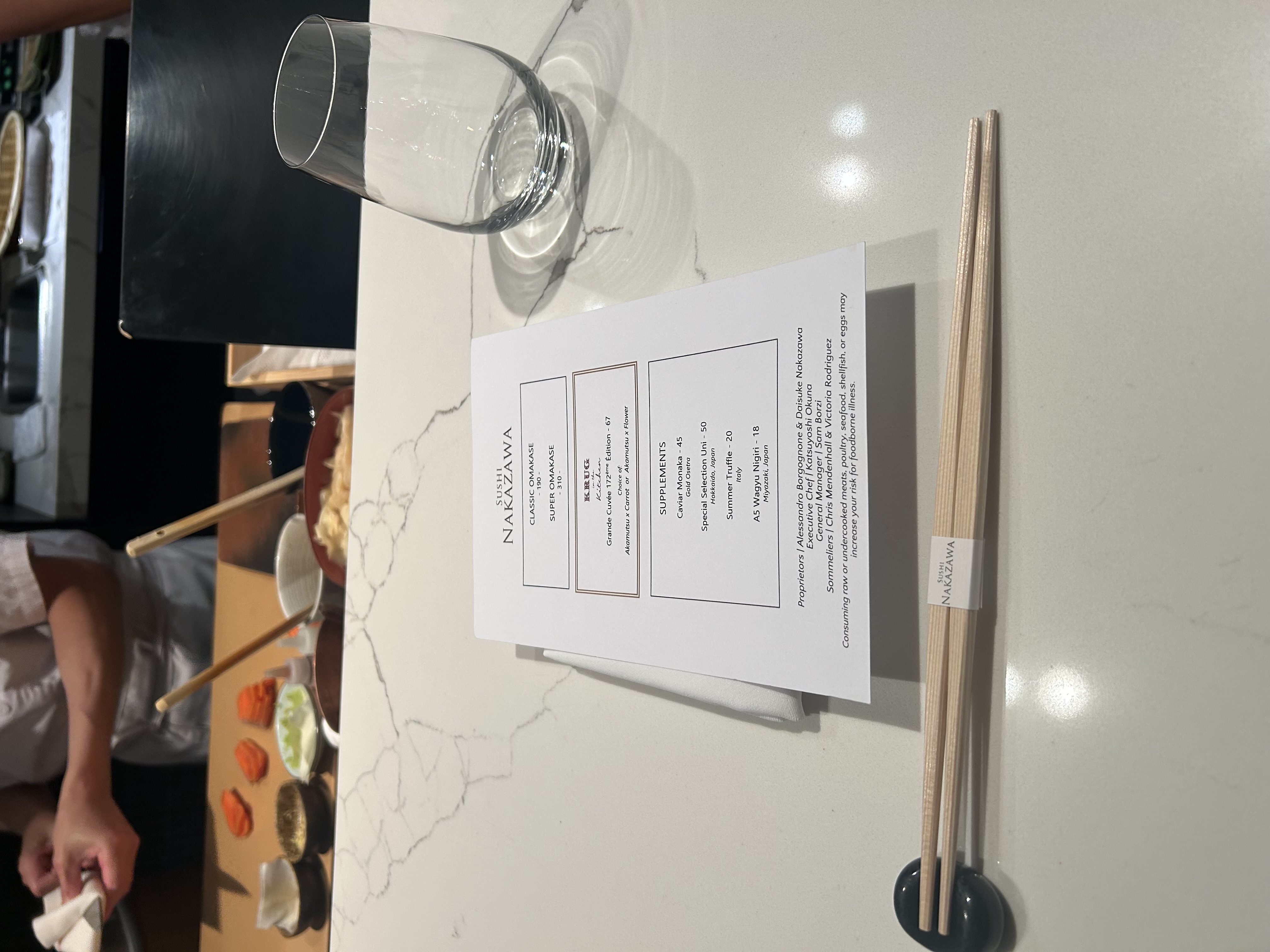
I’m not saying that as a bad thing. I just want it to be clear that the Super Omakase experience is worked into the traditional menu and replaces some of the courses with more premium options. In my opinion, pound for pound, it was an upgrade all around.
The first thing you notice at dinner is that there are way more chefs at the counter. During the lunch experience the dining room is closed, so operationally speaking there is only the need for the one chef. There was a different energy to the restaurant altogether with that many chefs milling about. It was buzzier, more energetic. It felt less reverent, humbling. More animated.
A perfect atmosphere to get sucked in and order too much sake, by the way.
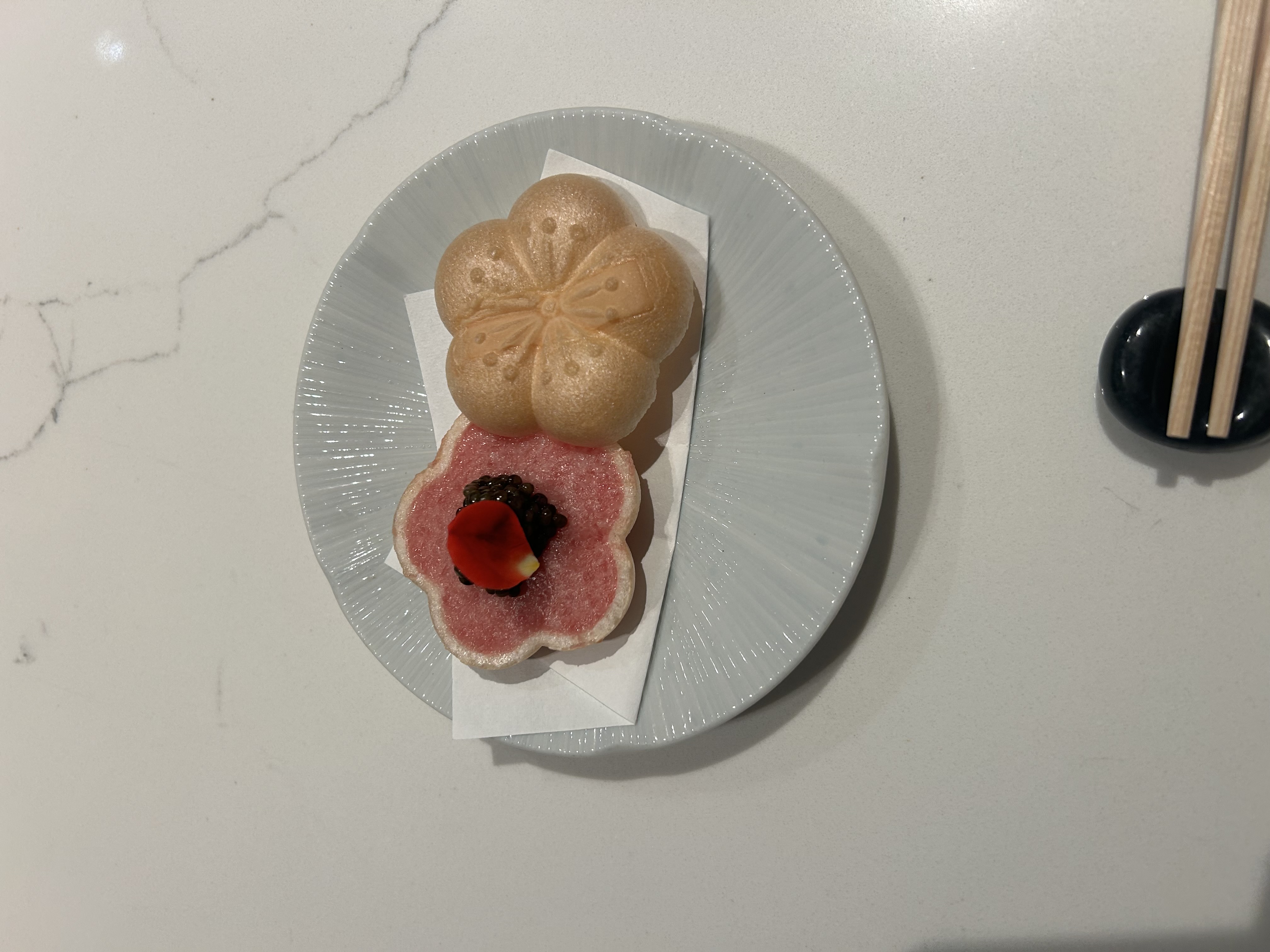
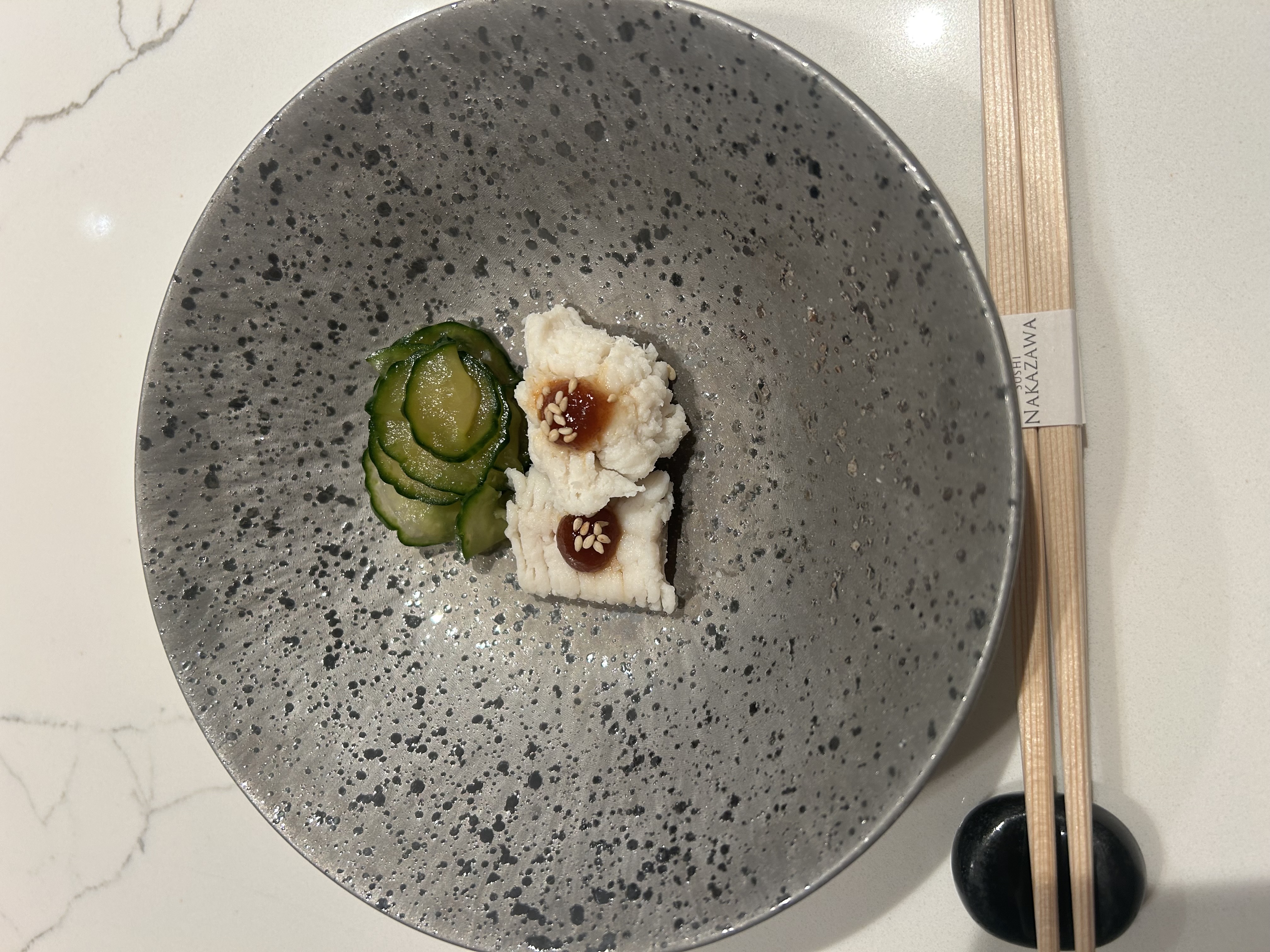
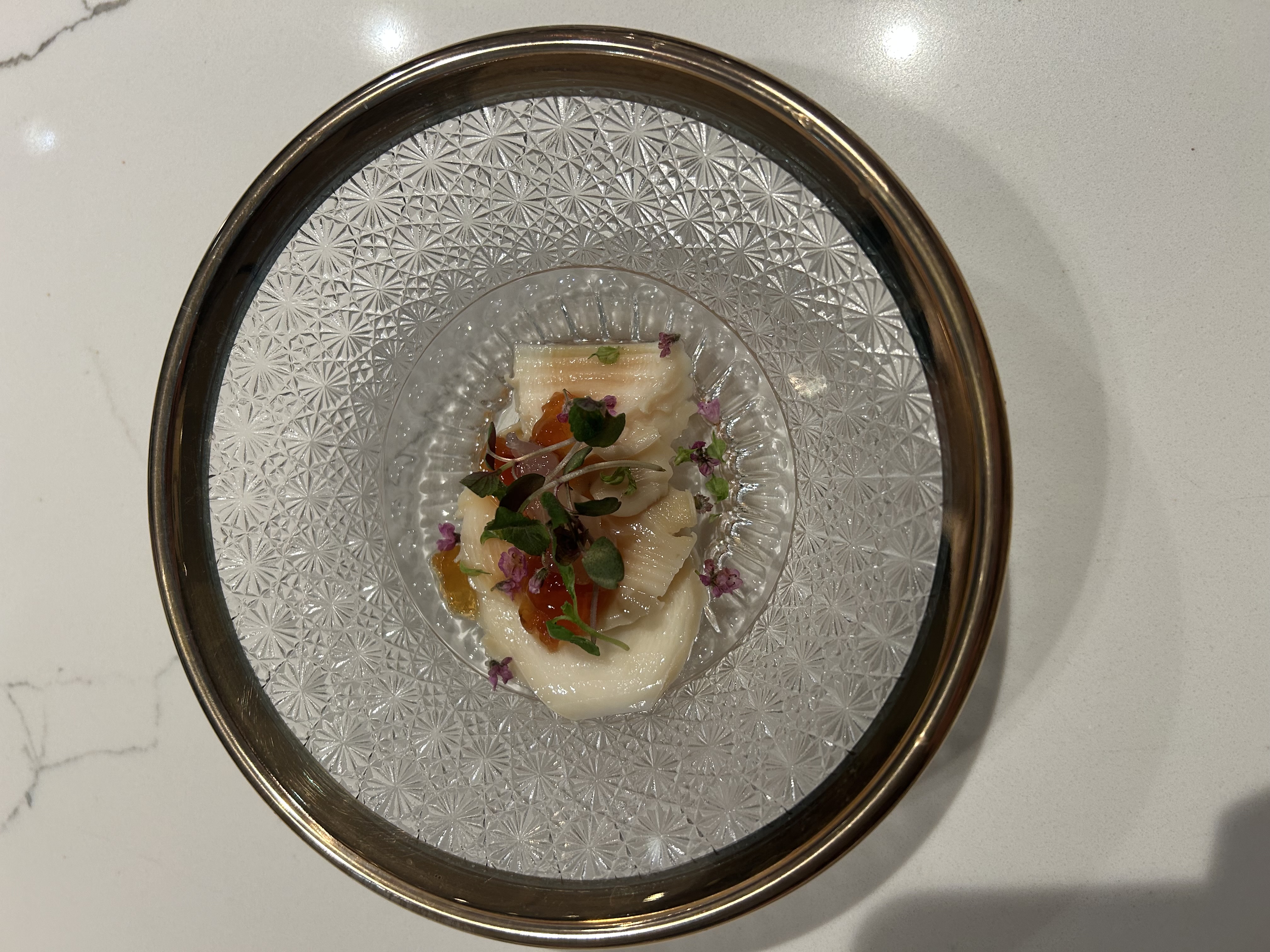
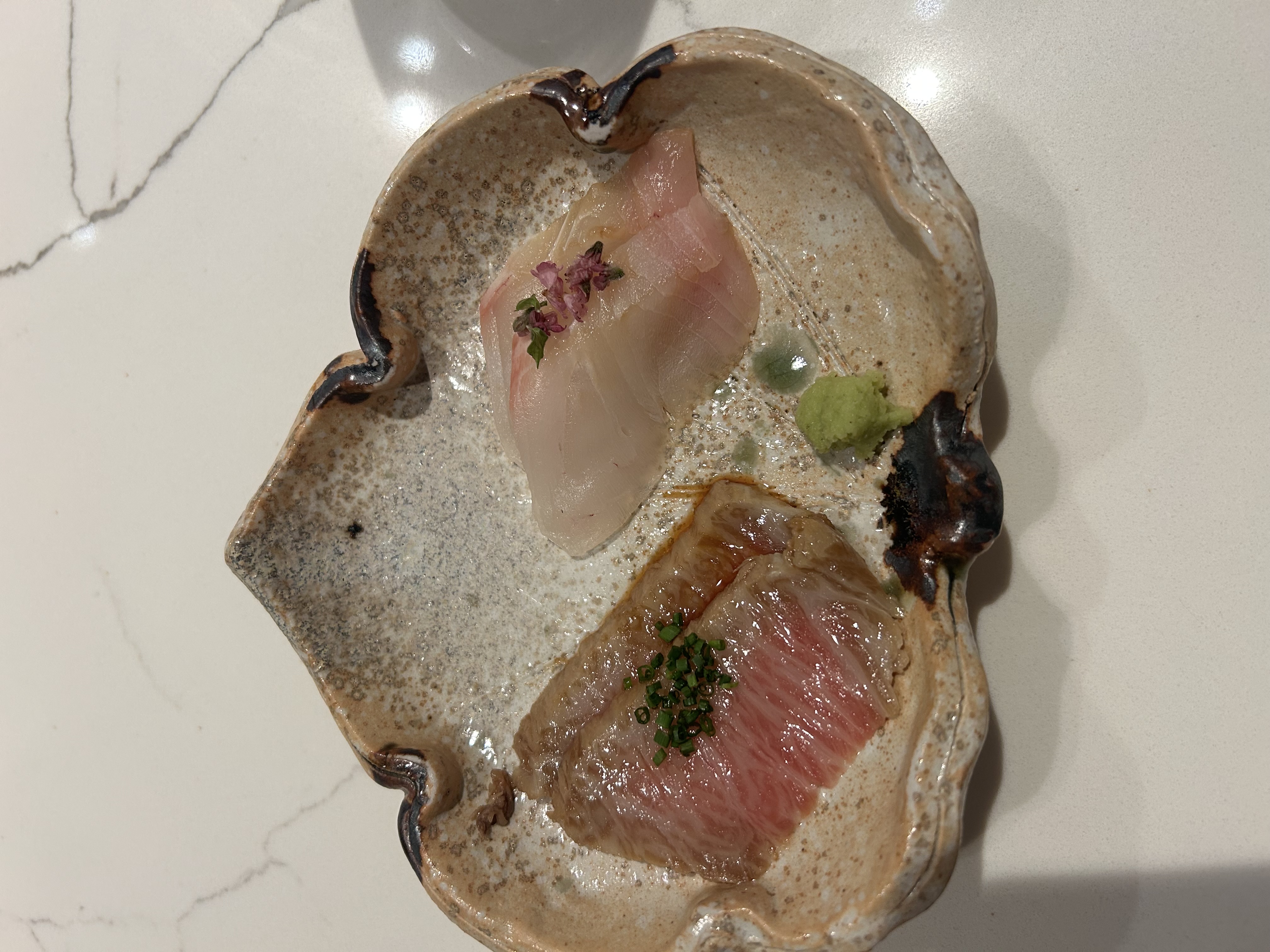
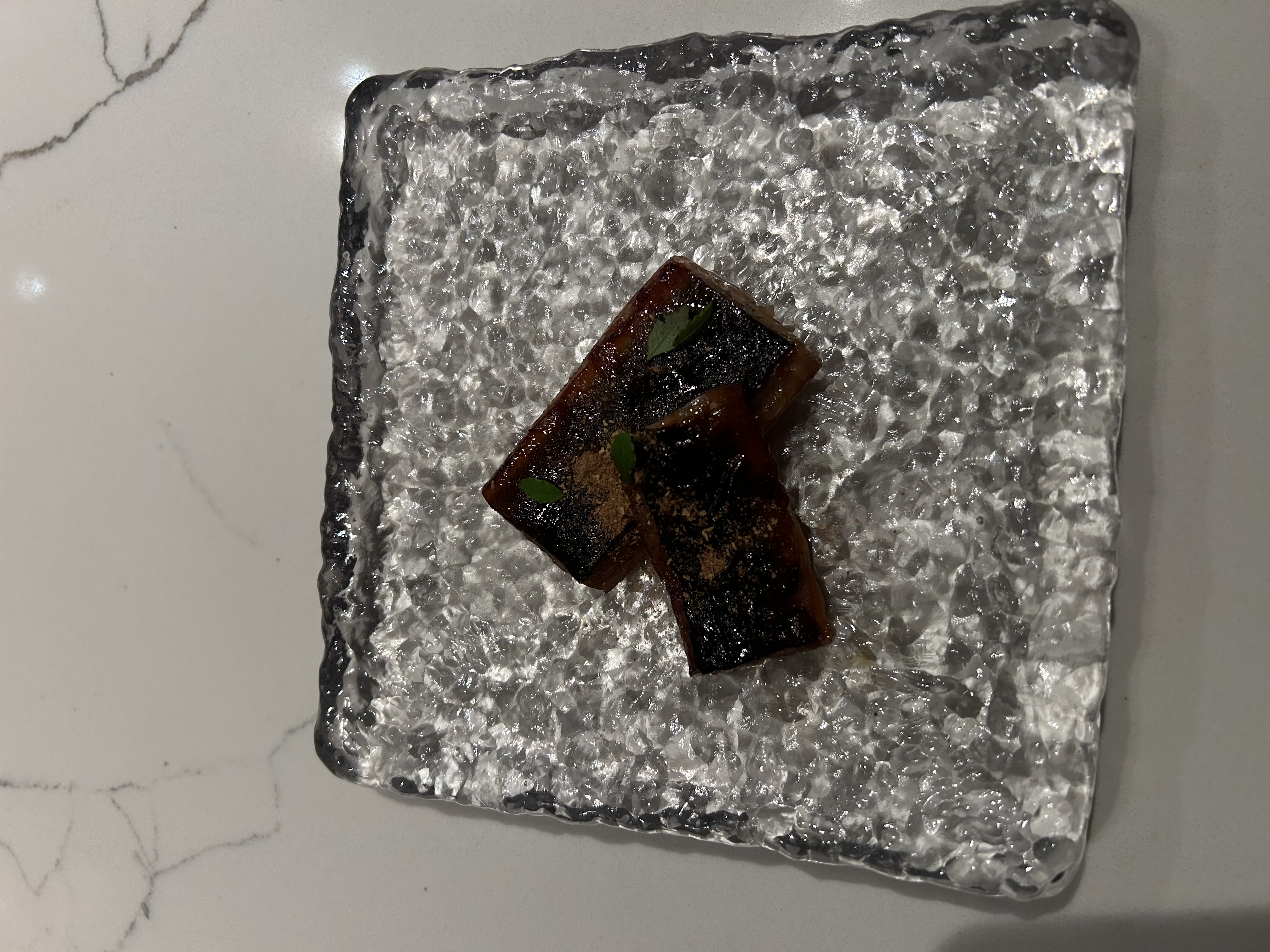
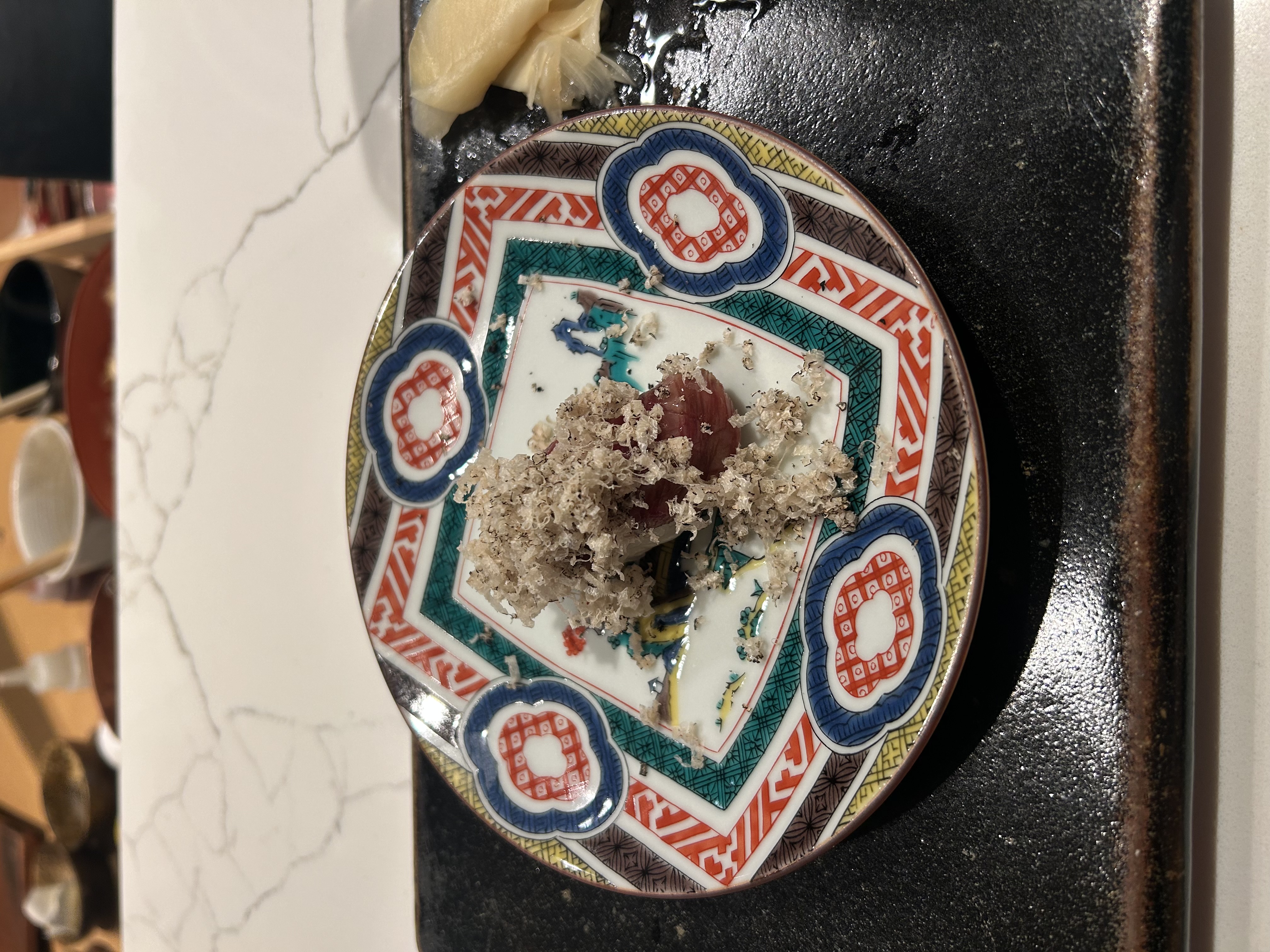
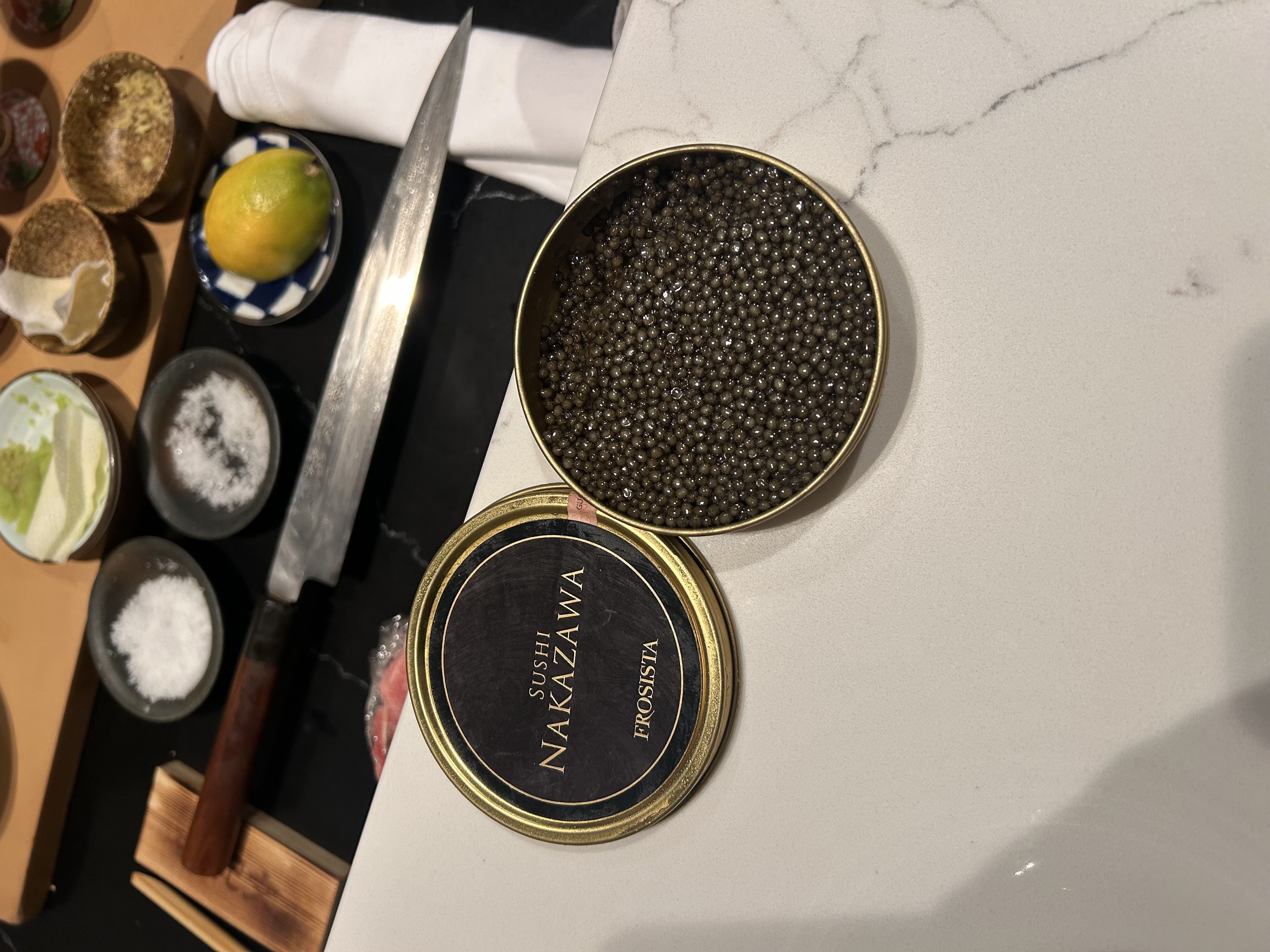
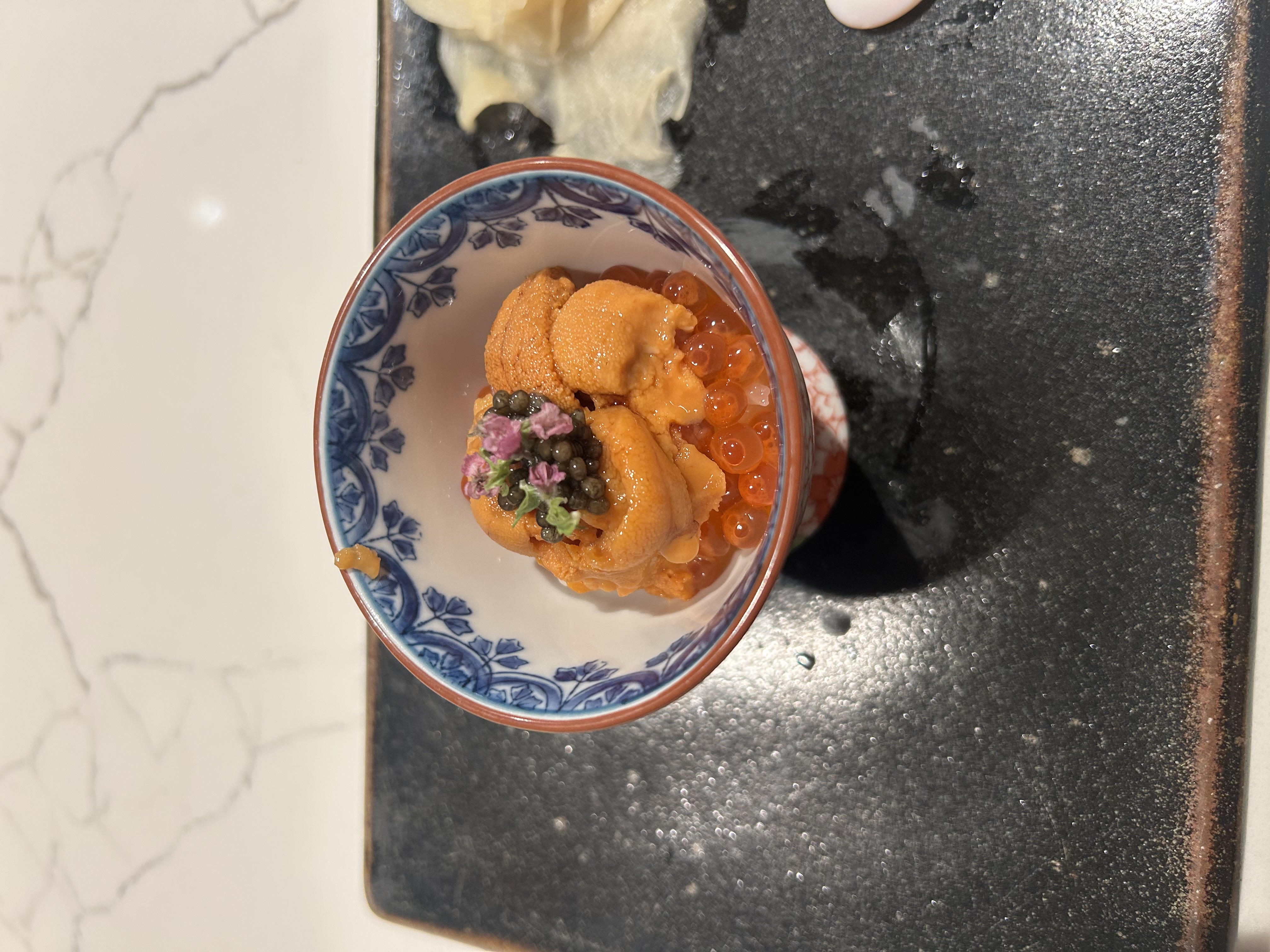
The gallery pictured above features the premium courses we had throughout the night:
First row: caviar monaka, dagger tooth pike conger, sake-steamed abalone
Second row: hay-smoked fatty tuna/silver pomfret, freshwater eel with a kinome leaf, truffle covered A5 wagyu
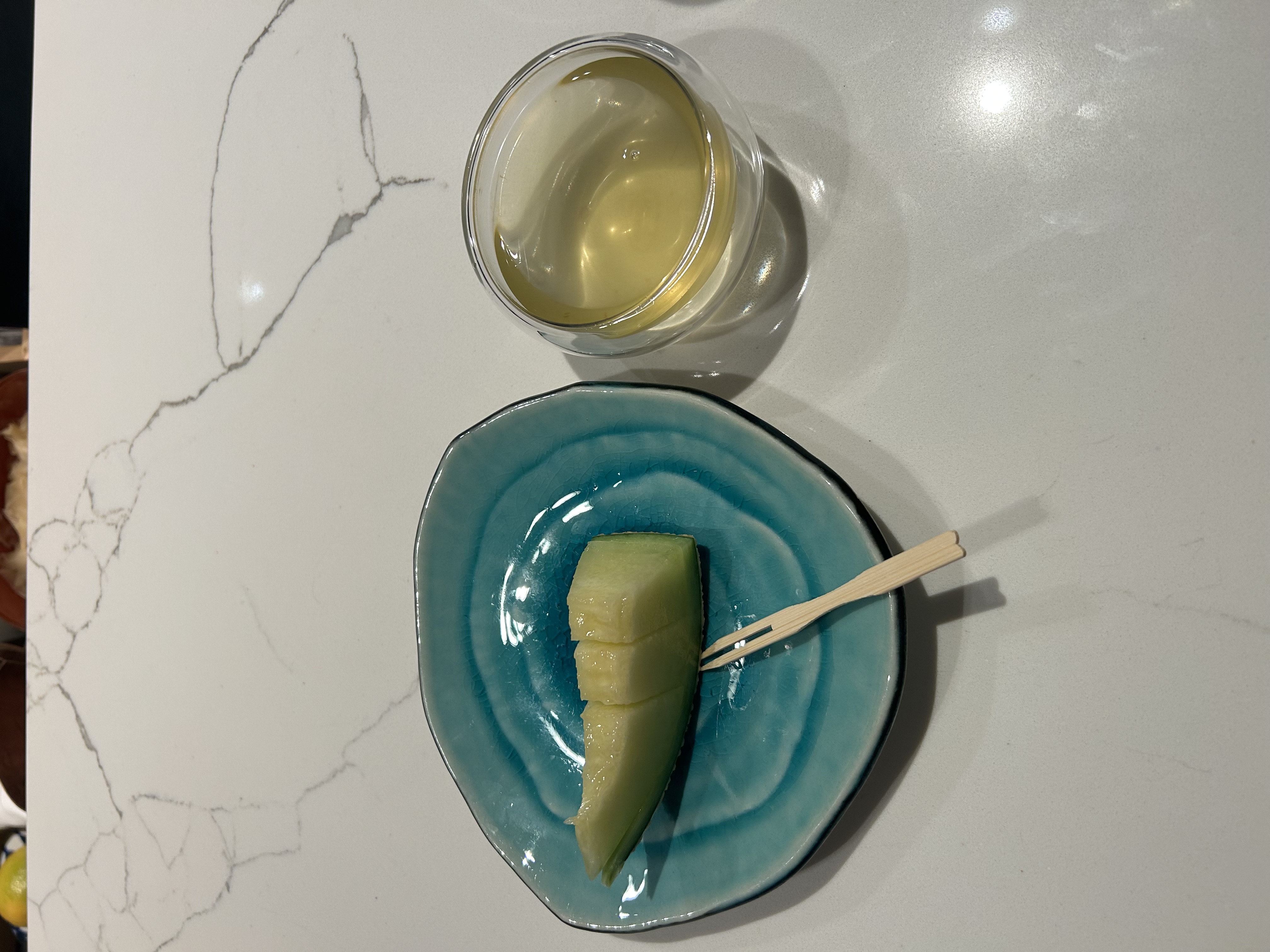
Third row: Sushi Nakazawa-branded tin of caviar used in the uni sundae in the next photo, crown melon
The rest of the meal followed the same general trajectory of the traditional omakase reviewed above. But these premium options were incredible.
The eel with the kinome leaf was a textural stand-out—the crunchiness of the leaf and the yielding, custardy softness of the eel made for a unique mouth feel. Kinome leaves have a beautiful touch of citrus-y notes which really helped bring out the unctousness of the eel.
Another favorite was the contrast of the buttery, melty o-toro versus the firmer, leaner silver pomfret. The chef instructed us to pair the pomfret with the dash of wasabi to highlight the subtler sweet notes of the fish, while the smokiness of the hay accentuated the deeper umami flavor of the tuna.
The first five photos in the gallery above started the meal. This is referred to on the menu as the otsumami: or “nibbles with drinks”. These are the rice-less chef-driven preparations that go with the sake one would drink at the beginning of the meal. It’s within this act of the meal that a chef can showcase their creativity in their craft.
In the previous experience I had at Sushi Nakazawa, I was only experiencing the technical mastery of their craft with nigiri. Their precision with the knife cuts and the handling of the fish and the rice. If there is any major takeaway from the Super Omakase, it can be said that it provides an opportunity to see a more well-rounded traditional omakase experience that moves past the precision and allows for the entrance of the creative dance of the otsumami.
It is fair to point out the pricing disparity between the two experiences, which could certainly be a deterrent for trying the Super Omakase experience. I will make note that the supplemental menu alone (pictured above) exceeds the cost of the Super Omakase if purchased all in. And that does not account for the more premium dishes that get substituted in for more common sushi mainstays, such as the crab dish previously mentioned, as well as the dishes that are offered in addition to the dishes on the traditional omakase.
The crown melon (often referred to as the “King of Fruits”), for example, is a melon grown exclusively in the Shizuoka Prefecture. Only one melon is allowed to grow on the vine of the fruiting plant to ensure all the nutrients are absorbed directly by the melon. The end result is the sweetest, most succulent melon you’ve ever tasted. The melon itself sells for roughly $200. For comparison, Jônt offers this same melon as a supplemental option on their menu for $40 if I recall correctly. That should hopefully drive home the point about the price points on the Super Omakase versus the traditional omakase experience.
Both experiences are excellent at their price points. I cannot say for sure that I would always opt for the Super Omakase, but in the times that I do I can be sure it will not disappoint.